
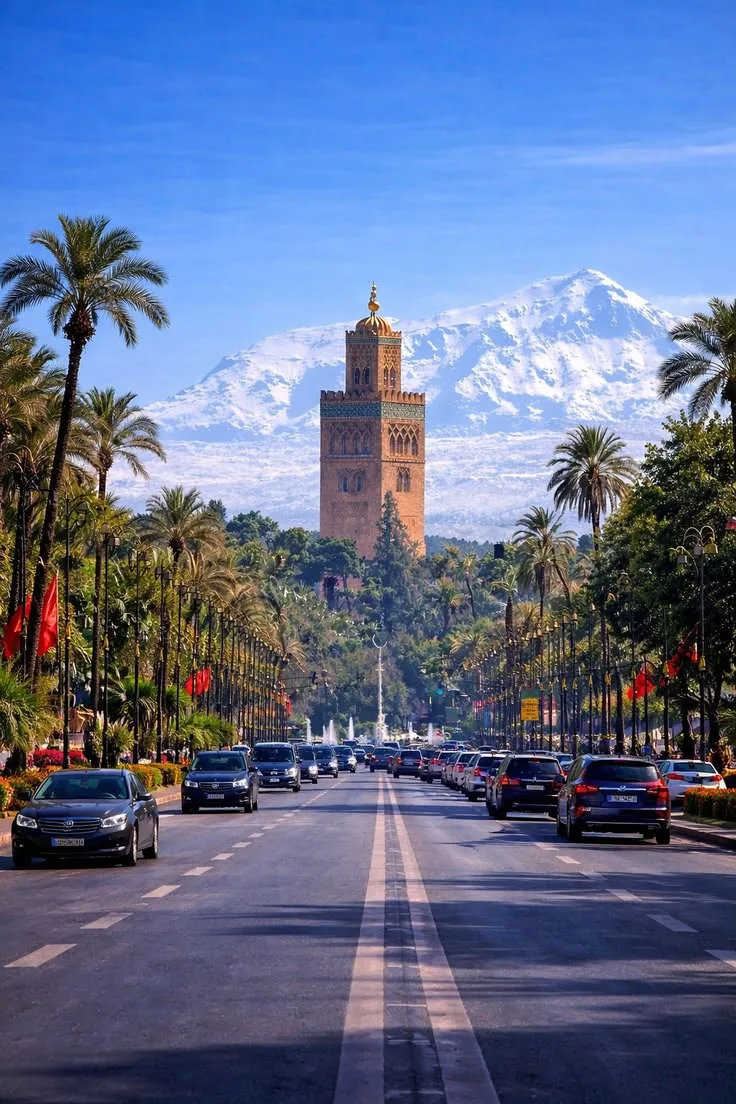
Things to Do in Marrakech
An editorial guide to Morocco’s red city: where to go, when to go, and how to actually experience it, from a team that plans trips here every week.
Plan Your Marrakech Trip“Marrakech doesn’t ease you in. You step through a gate in the red walls and the medina just starts happening around you.”
Morocco’s Most Visited City, Done Properly
This is the same guide we hand to guests planning a private trip: what’s genuinely worth your time in Marrakech, what to skip, and how the city actually fits together, written by the team that routes tours through it every week, not scraped from a dozen other travel sites.
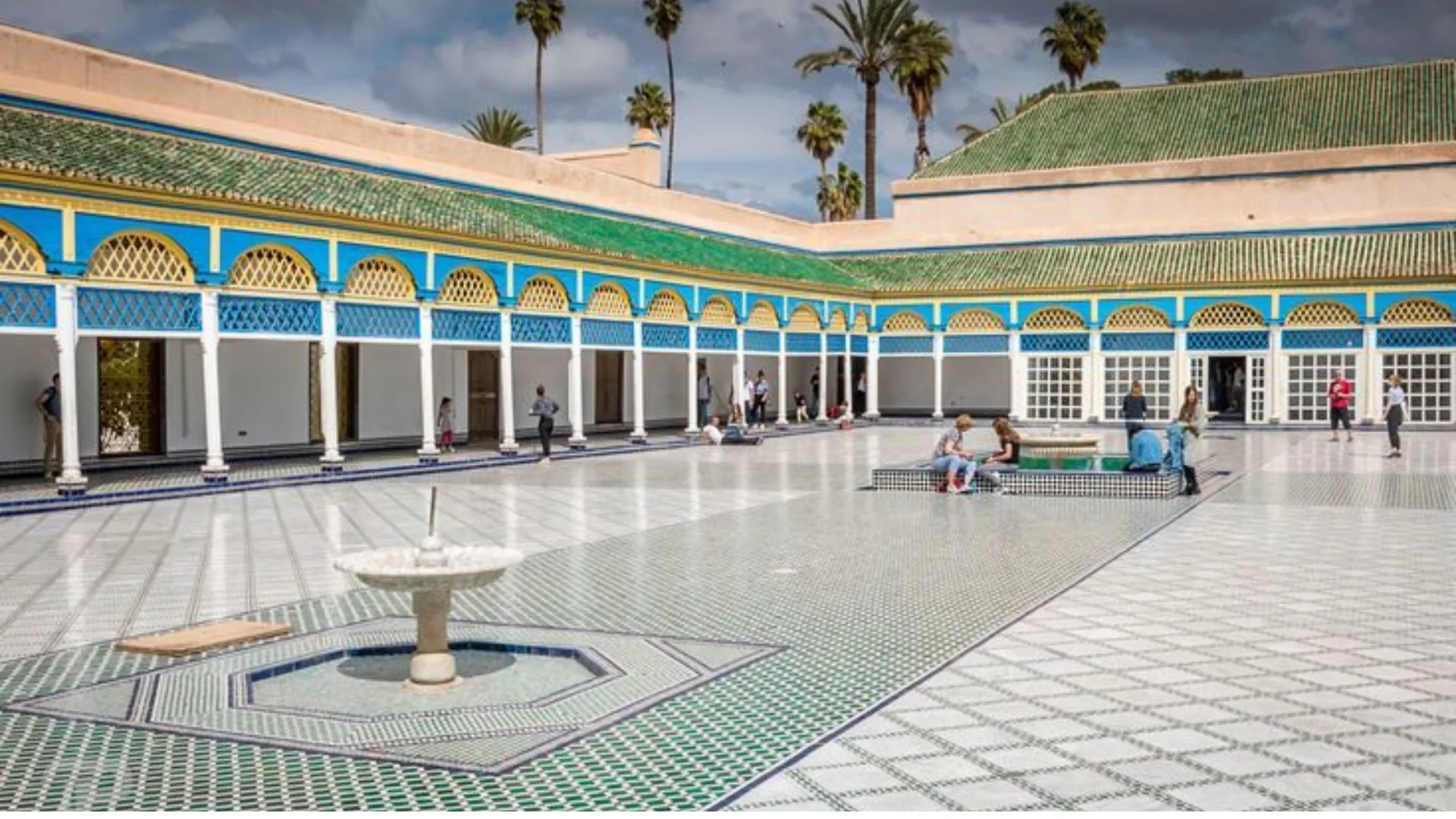
Why Visit Marrakech? Best Things to Do in Marrakech
An imperial city built at the foot of the High Atlas, still run on the same guild economy that shaped it a thousand years ago.
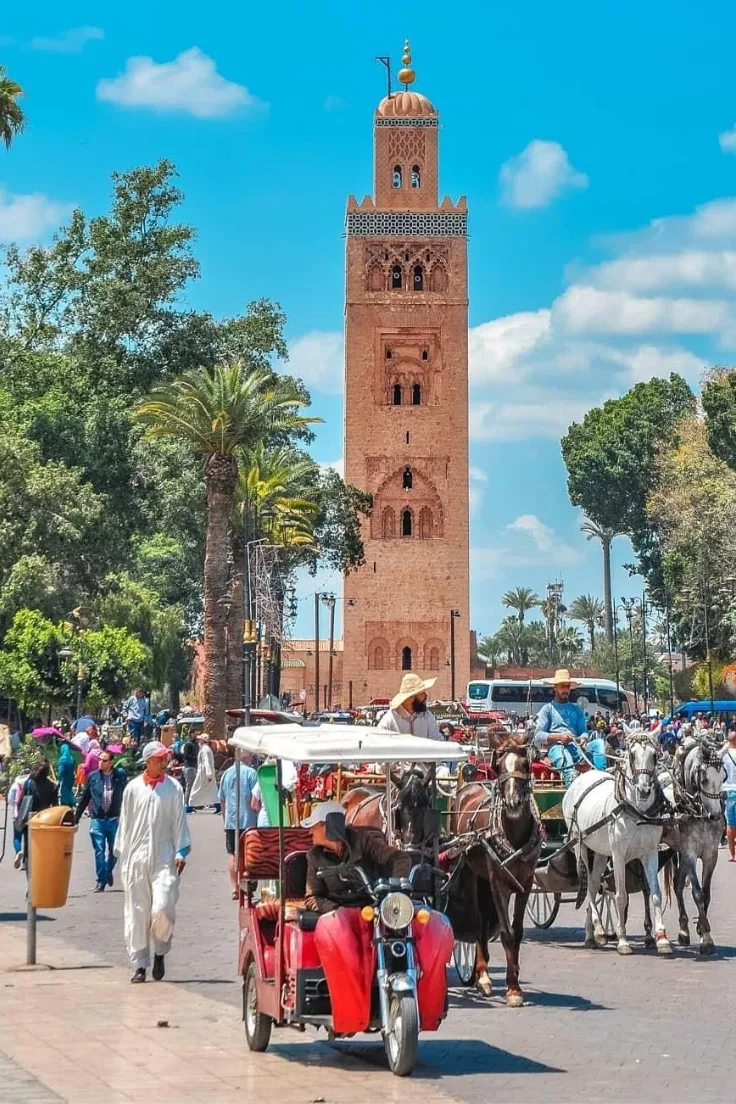
Marrakech is Morocco’s most-visited city and its cultural showcase, built around a nearly thousand-year-old medina that still functions as a living neighborhood, not a museum piece. Founded in 1062 by the Almoravid dynasty, it has spent centuries as an imperial capital and a caravan trade hub linking sub-Saharan Africa to the Mediterranean.
What makes Marrakech different from Fes, the other imperial city most visitors compare it to, is energy. Fes rewards patience and getting lost. Marrakech rewards showing up and letting the city come at you, a snake charmer’s flute, a tannery smell, a call to prayer overlapping a scooter horn. Families find it easier to navigate than Fes, and travelers on a tight schedule can see a genuinely representative slice of Morocco in two or three days. For a wider view of how Marrakech fits into a Morocco itinerary, our guide to the best cities to visit in Morocco is a useful next stop.
No building in the Marrakech medina is permitted to rise higher than the Koutoubia’s 77-meter minaret, a convention in place since the 12th century that still shapes the city’s skyline today.
“Marrakech is not simply a destination, it’s an experience that awakens every sense.”
How Much Time Do You Need?
The same framework we use when building private itineraries for guests, condensed into a quick reference.
| Duration | What to Cover | Best For |
|---|---|---|
| Half Day | Bab Agnaou, Jemaa el-Fna, Koutoubia Mosque, north souks | Stopovers, layovers |
| One Day | Add Bahia Palace and Ben Youssef Medersa, evening food stalls | Fast-paced first-timers |
| Two Days | Medina on day one; Majorelle Garden and a hammam on day two | Couples, relaxed pace |
| Three-Plus Days | Add an Atlas Mountains or Ourika Valley day trip | Families, first Morocco trip |
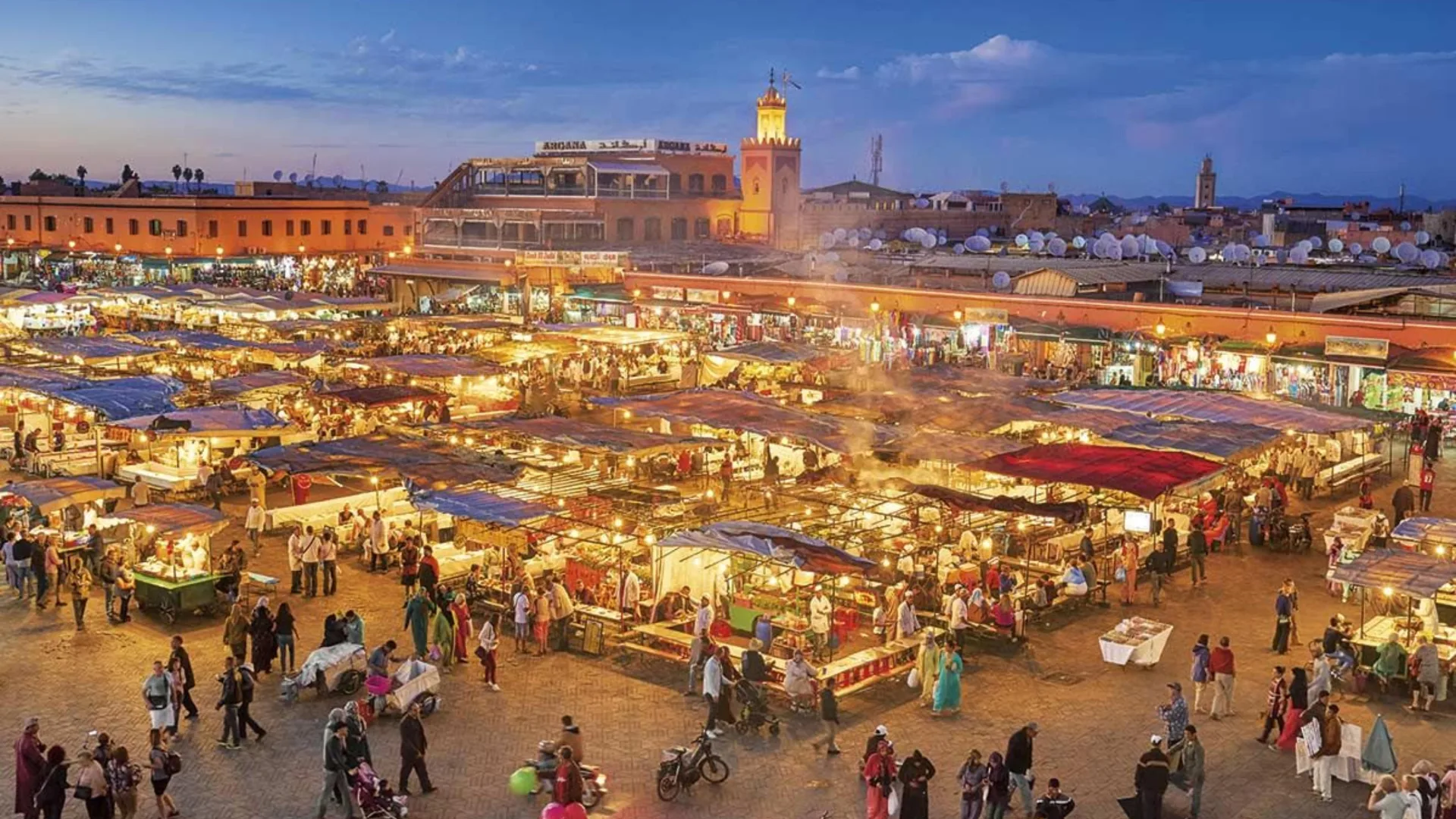
Jemaa el-Fna Square
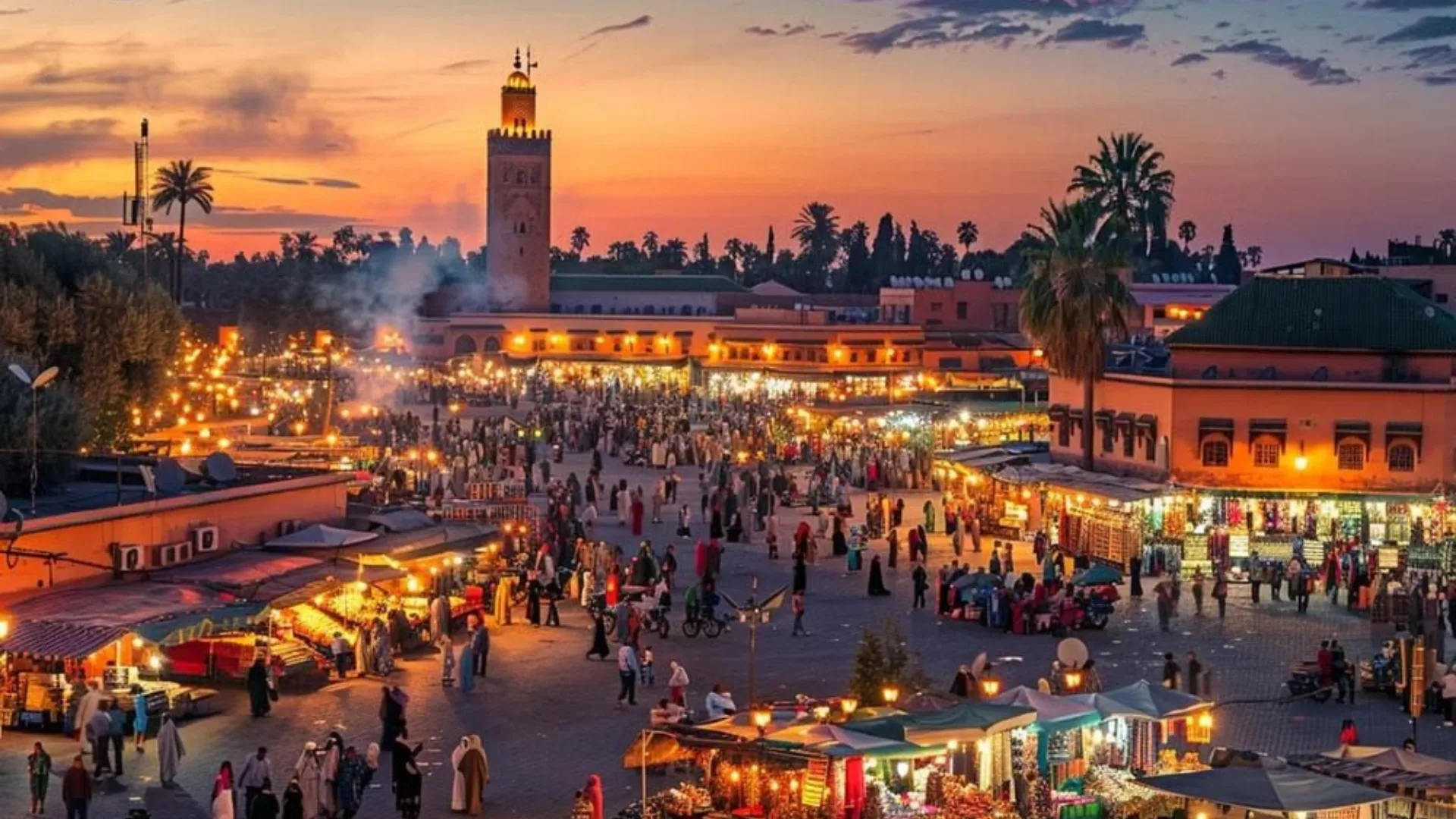
Marrakech’s main square is a UNESCO-recognized “Masterpiece of Oral and Intangible Heritage,” known for its daily transformation from a quiet market by day into a food stall and performance space by night. By late afternoon, dozens of numbered stalls appear, each with its own regulars, and storytellers and musicians set up around the edges, a tradition documented here for centuries.
Nearby, the Koutoubia Mosque and the entrance to the northern souks are both a short walk away, making this square the natural anchor for any medina route.
The rooftop cafés ringing Jemaa el-Fna offer the best overhead shot of the food stalls lighting up at dusk, worth the price of a mint tea for the view alone.
Choose a food stall with a visible number and a crowd of locals eating, not just the ones with the most aggressive touts calling you over.
The City at a Glance
Everything in Marrakech orients around one silhouette: the Koutoubia Mosque’s 77-meter minaret, Marrakech’s defining landmark since the 12th century and, by long-standing convention, the tallest structure the medina is permitted to have. Non-Muslim visitors cannot enter the mosque itself, but the surrounding gardens and the exterior, especially the carved sandstone detailing, are worth a slow walk-around, and the gardens on the mosque’s south side are a genuinely peaceful spot to sit, rare that close to Jemaa el-Fna.
Use it as your compass: nearly every major sight in this guide sits within a 20-minute walk of it.
“You don’t tour Bahia Palace so much as wander through it, one courtyard leading to the next, each one built for a different life within the same household.”Morocco Time Travel, on Bahia Palace
Bahia Palace
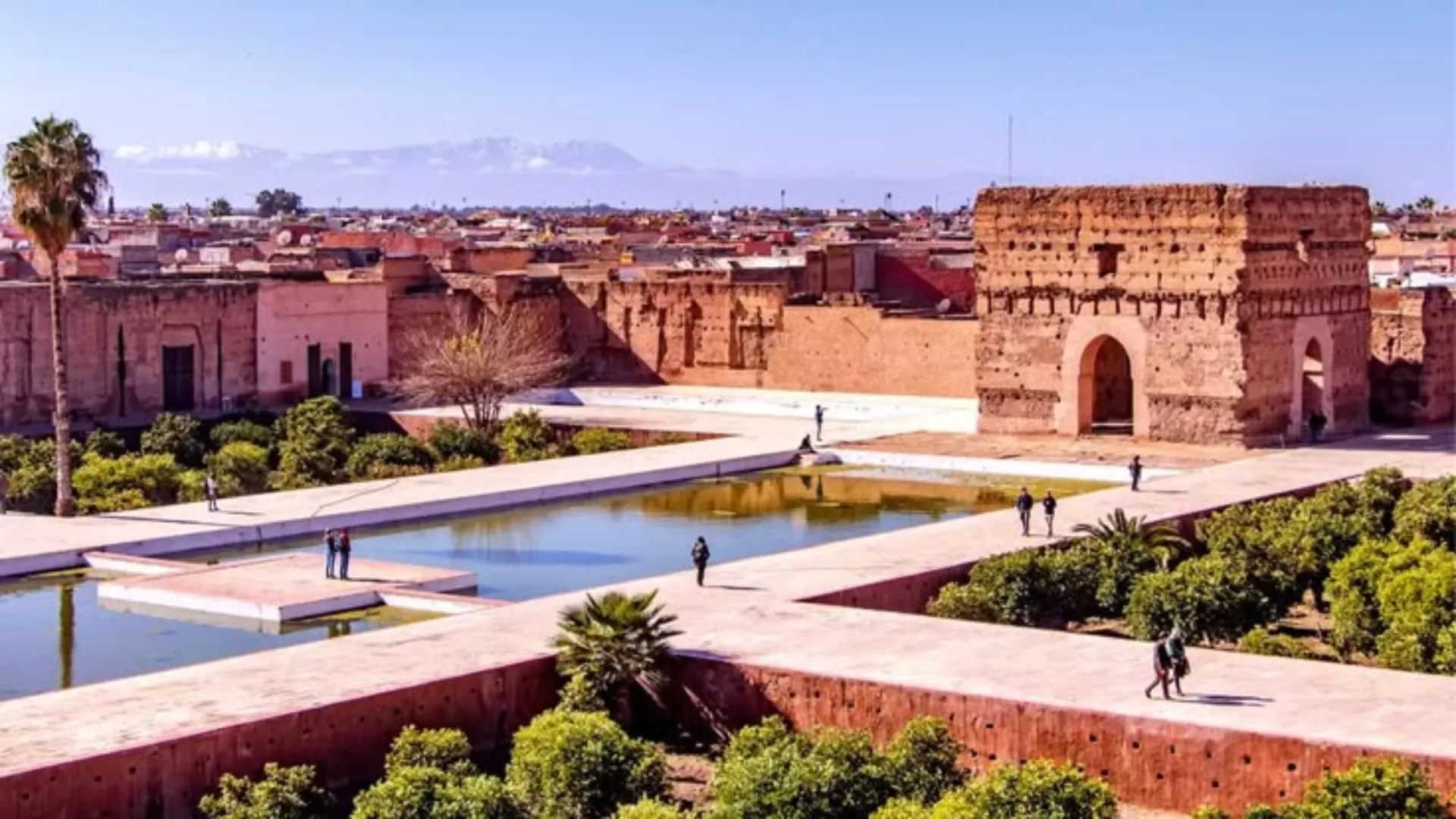
Built in the late 19th century for a grand vizier, Bahia Palace (“brilliance” in Arabic) is famous for its scale, roughly 150 rooms across eight hectares, and for tilework and carved cedar ceilings that took craftsmen years to complete room by room. Arrive at opening to beat the tour groups, and look for the small courtyard with citrus trees near the harem quarters, easy to walk past without noticing.
Building a full Marrakech day around the palace circuit? Our private Marrakech tours route Bahia Palace, Ben Youssef Medersa, and the medina souks into a single, unhurried day with a local guide.
See Private Tours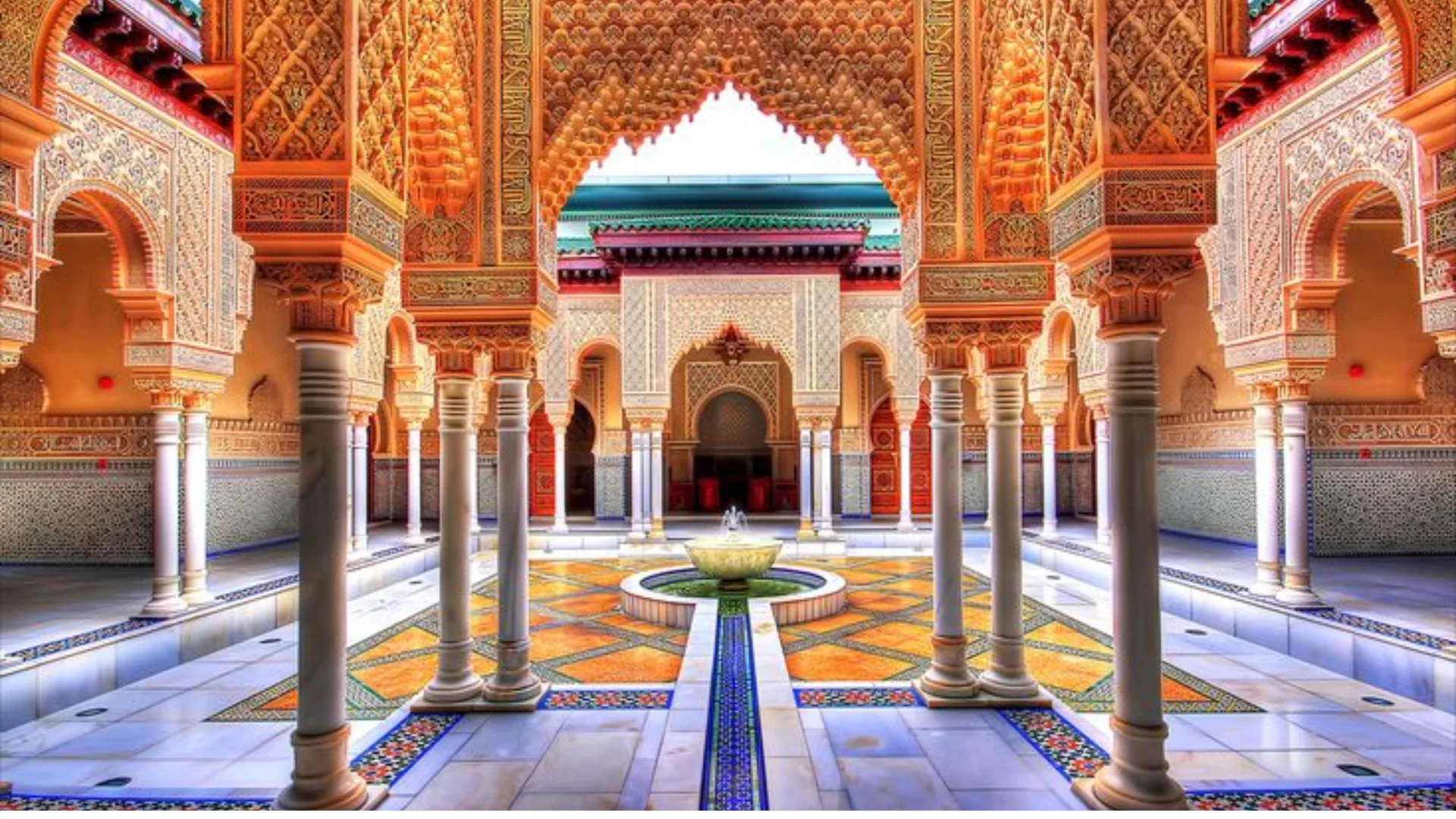
Ben Youssef Medersa
Once North Africa’s largest Islamic college, housing over 800 students at its peak in the 16th century, Ben Youssef Medersa is now Marrakech’s best example of the same tilework and carved plaster craftsmanship that defines the imperial cities, without the crowds of Bahia Palace. Climb to the upper-floor former student cells for a full overhead view of the courtyard’s geometric tilework, best seen mid-morning before tour buses arrive.
Majorelle Garden
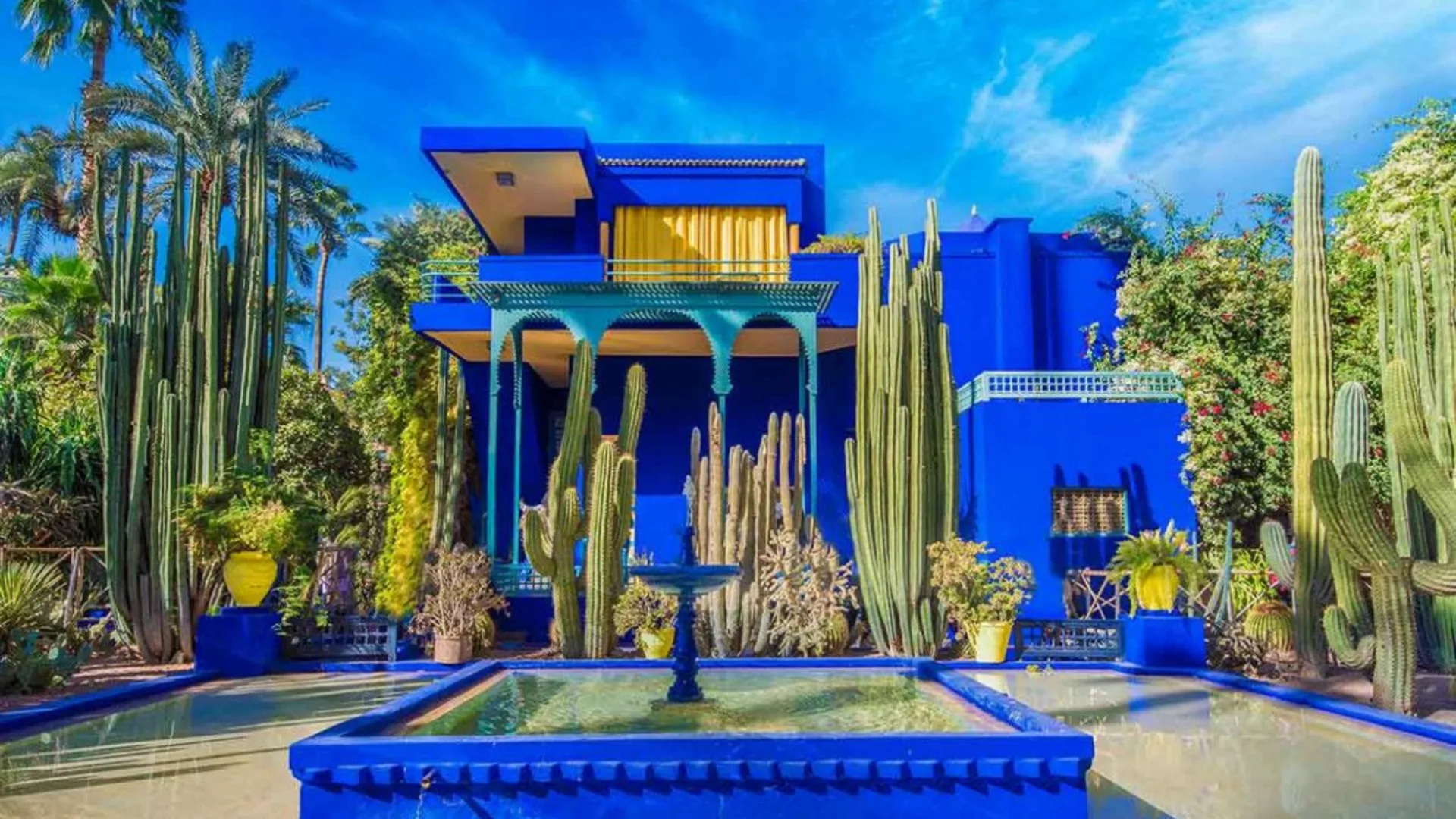
French painter Jacques Majorelle created the garden in the 1920s and 30s, developing the cobalt “Majorelle Blue” seen throughout the villa; Yves Saint Laurent and Pierre Bergé later restored it.
This is the most photographed garden in Marrakech, and the bamboo grove paths offer quieter, less crowded backdrops than the main blue villa facade if you’re there for photos rather than just a walk-through. Book tickets online in advance; walk-up lines can run well over an hour in high season, and arriving right at opening is the only reliable way to see it before the crowds build. The adjoining Yves Saint Laurent Museum requires a separate ticket, worth adding if fashion history interests you.
Book a private early-access slot at Majorelle if your riad or tour operator offers one, since the standard morning window still gets crowded by 9:30am in peak season.
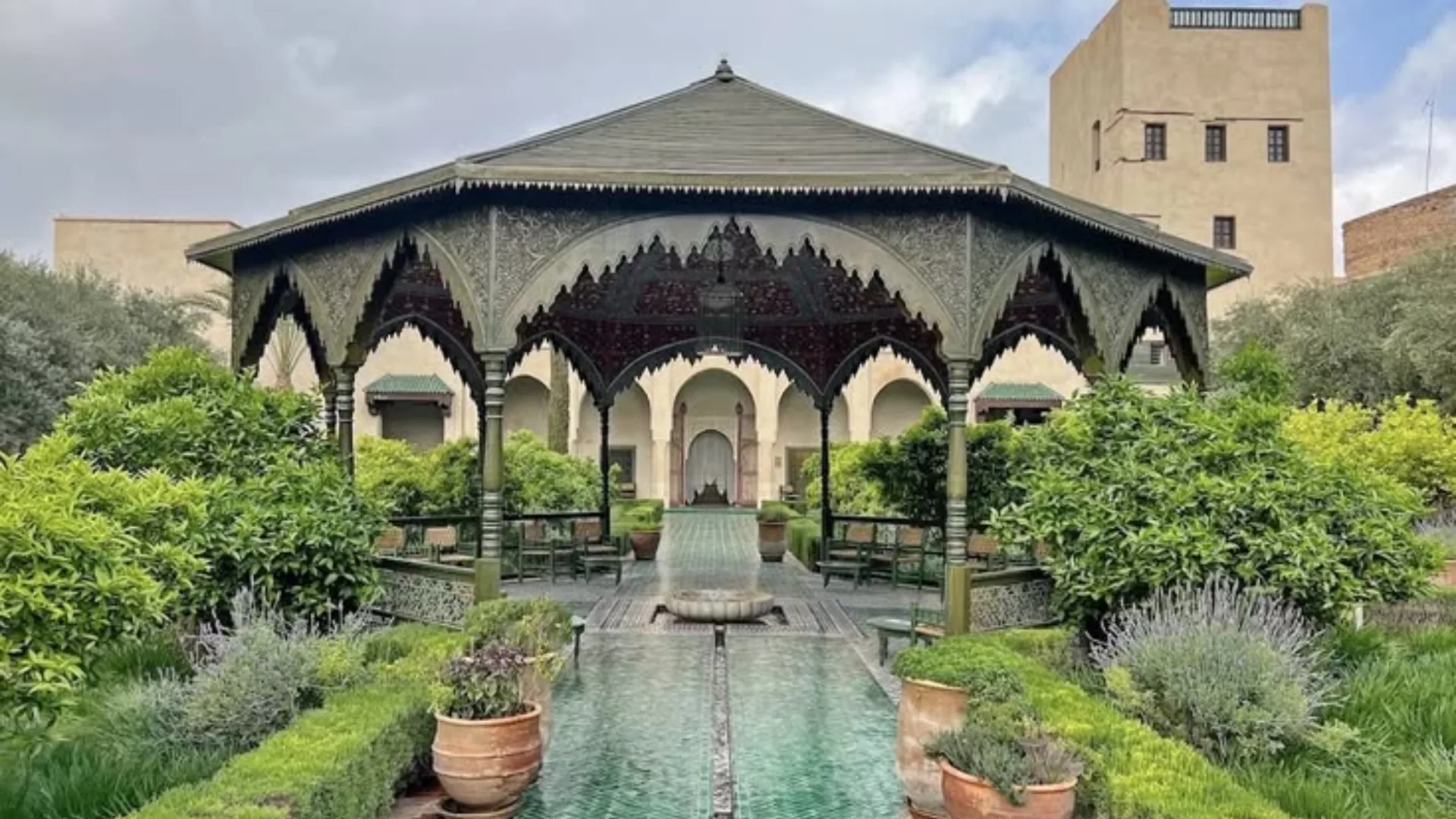
Le Jardin Secret
Tucked inside the medina itself, Le Jardin Secret is a restored 19th-century riad garden built around traditional Islamic garden design. It’s quieter and smaller than Majorelle, and costs meaningfully less, a better value if Majorelle’s queues have put you off. Climb the tower for one of the few unobstructed rooftop views over the medina’s rooflines.
Le Jardin Secret delivers a comparable garden experience to Majorelle with far shorter lines, worth prioritizing if you only have time for one.
Ticket Prices & Opening Hours
Approximate figures; always confirm on-site, as pricing changes periodically.
| Attraction | Opening Hours | Entrance Fee |
|---|---|---|
| Jemaa el-Fna | Always open (food stalls from late afternoon) | Free |
| Koutoubia Mosque | Exterior always viewable | Free (exterior only) |
| Bahia Palace | 9am–5pm daily | ~70 MAD |
| Ben Youssef Medersa | 9am–6pm daily | Similar to Bahia Palace |
| Majorelle Garden | 8am–6pm daily | Higher than medina sites |
| Le Jardin Secret | 9:30am–7pm daily | Modest, less than Majorelle |
The Marrakech Souks
Organized by historic guild, much like Fes: dyers, leatherworkers, and metalworkers each occupy their own alley cluster, a layout that’s barely changed in generations.
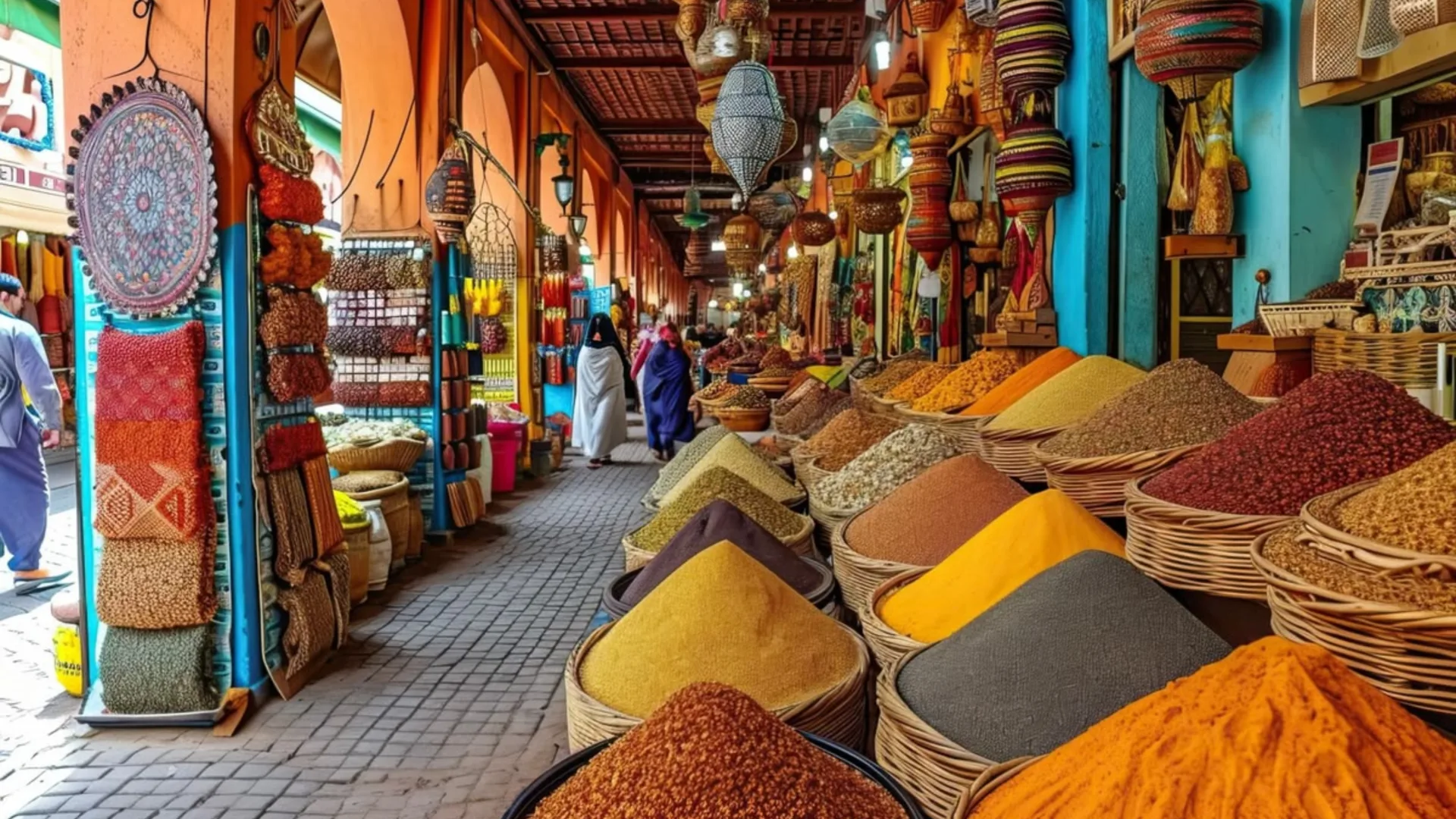
Getting lost here isn’t a failure of navigation, it’s more or less the intended experience, and the alleys eventually loop back toward the square regardless of which turn you take. Leather goods, argan oil, Berber carpets, and engraved brass lanterns are the standout buys; the dyers’ souk (Souk Sebbaghine) is worth finding specifically for the hanging skeins of freshly dyed wool.
Prices in the souks are rarely fixed. A reasonable target is 40–60% of the initial asking price, and walking away is always an acceptable negotiating tactic, not a rude one.
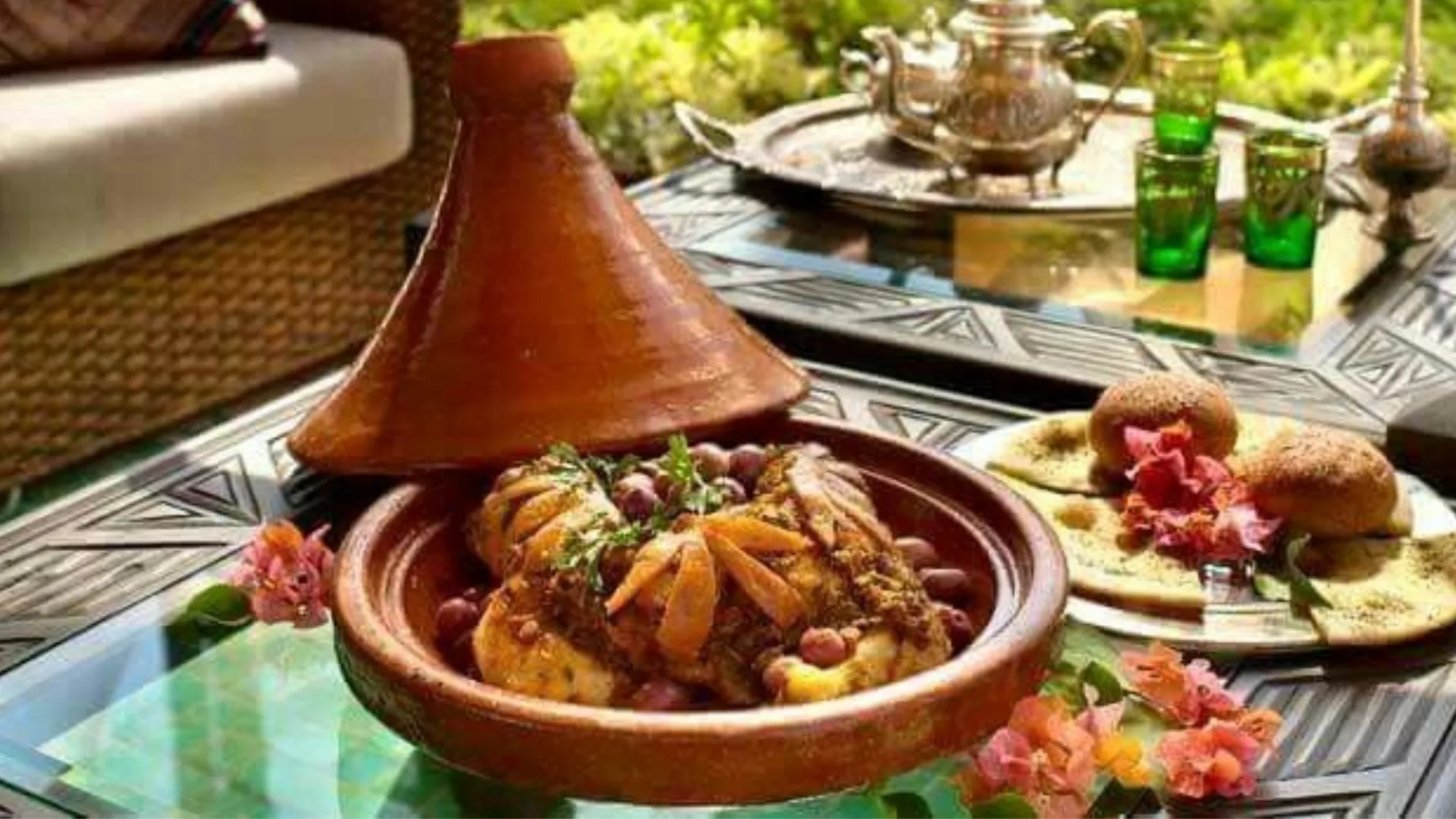
Traditional Moroccan Food
Tagine, a slow-cooked stew named for the conical clay pot it’s prepared in, is Marrakech’s signature dish; try the lamb with prunes and almonds, a Marrakchi specialty distinct from coastal or northern versions. Mechoui, slow-roasted lamb traditionally cooked in an underground pit, is best found at dedicated stalls rather than general restaurants.
Rooftop restaurants overlooking the medina make for the best evening dining, especially near sunset when the Koutoubia’s call to prayer carries across the rooftops.
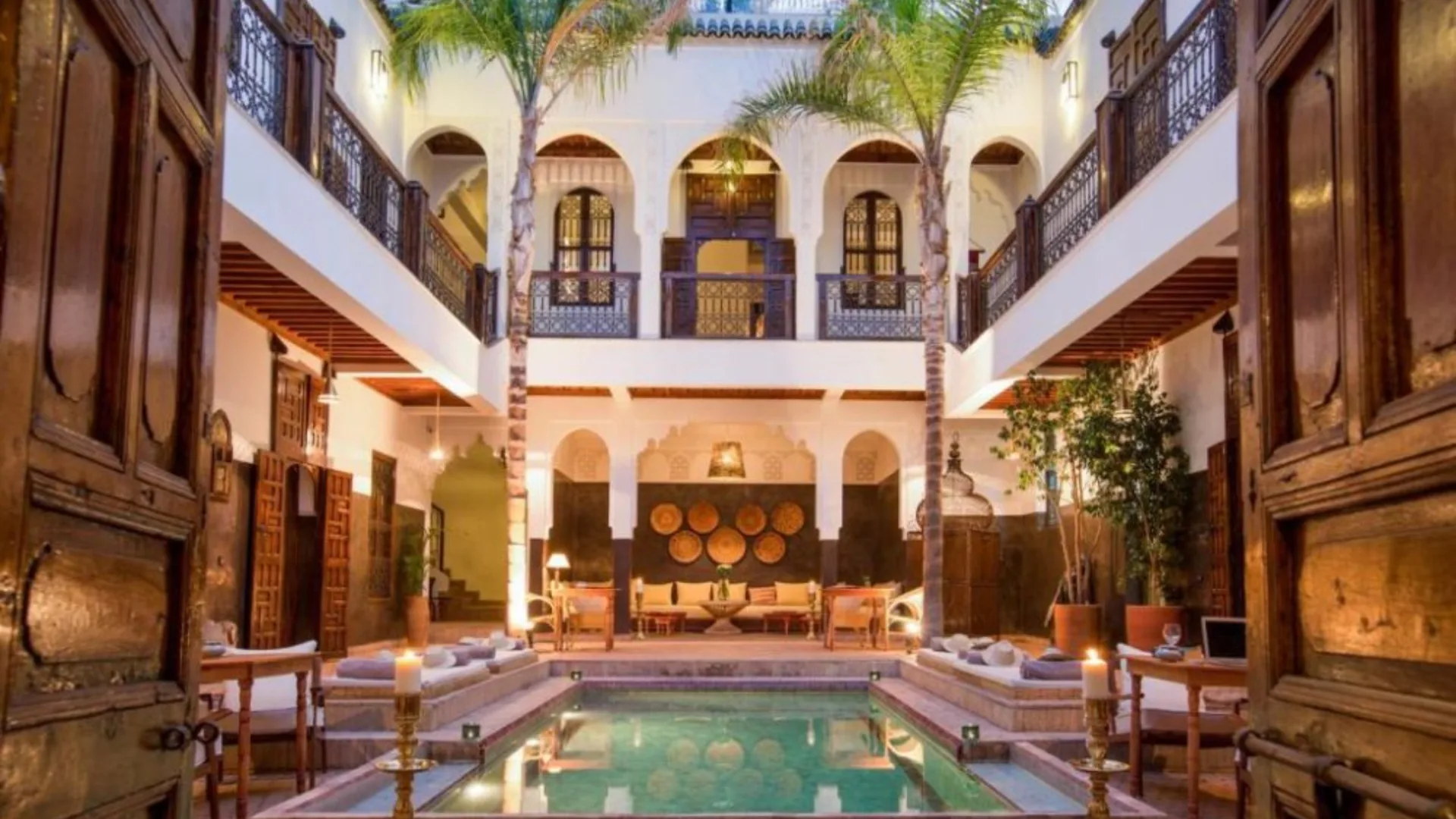
Where to Stay: Riads
Marrakech’s top-tier riads rank among the most awarded boutique properties in Africa, each built around a traditional courtyard.
Family vs. Couples vs. Luxury
A quick way to match your Marrakech trip to how you’re actually traveling.
| Traveler Type | Where to Stay | Priorities |
|---|---|---|
| Families | Mid-range riads with easy medina access, or Gueliz for convenience | Space, easier logistics, shorter walks |
| Couples | Boutique riads with rooftop terraces | Atmosphere, hammam spa time, rooftop dinners |
| Luxury Travelers | Top-tier riads with plunge pools and full staff | Personal service, privacy, exclusivity |
| Budget Travelers | Simple guesthouses near the Kasbah district | Value without losing the courtyard style |
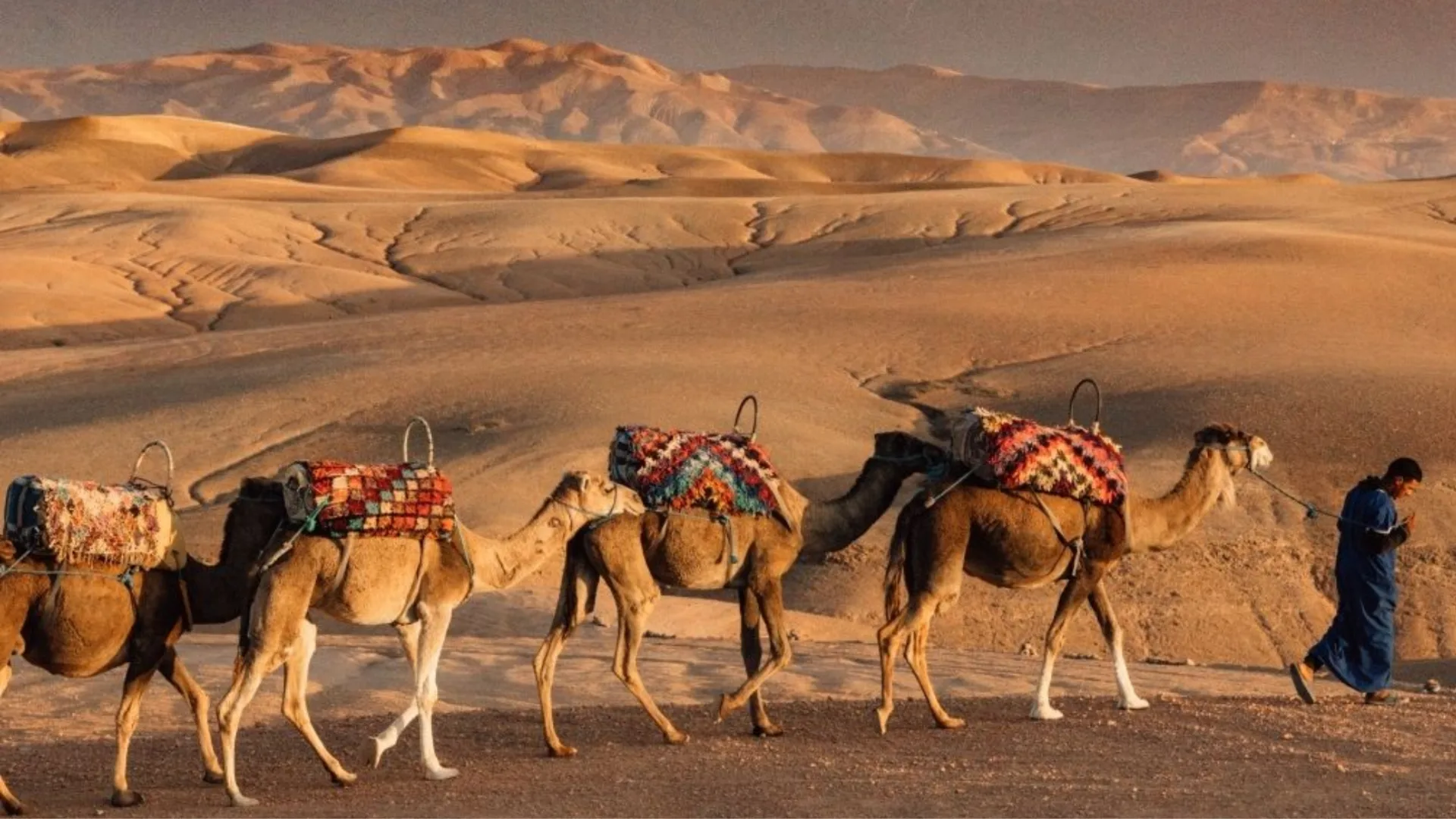
Camel Rides & the Agafay Desert
You don’t need to reach the Sahara for a genuine desert experience. The Agafay desert, roughly 30 minutes from the city, offers camel treks and sunset dinners without the multi-day drive. It’s rocky desert, not sand dunes; if you specifically want the classic orange dunes, that’s the Sahara near Merzouga, a multi-day trip from Marrakech.
Traditional Hammam
A traditional steam bath and scrub is one of the more genuinely local experiences available in Marrakech, distinct from a spa treatment aimed at tourists. Riad hammams are more private and easier for first-timers to navigate; public hammams are cheaper and more authentic, though they take a bit more social confidence to use comfortably. Either way, it’s the best antidote to a full day on foot in the medina.
Luxury Sahara Tours
If Marrakech is your gateway into a longer Morocco trip, the Sahara is the natural next stop, and it’s worth building into your itinerary from the start rather than treating it as an afterthought.
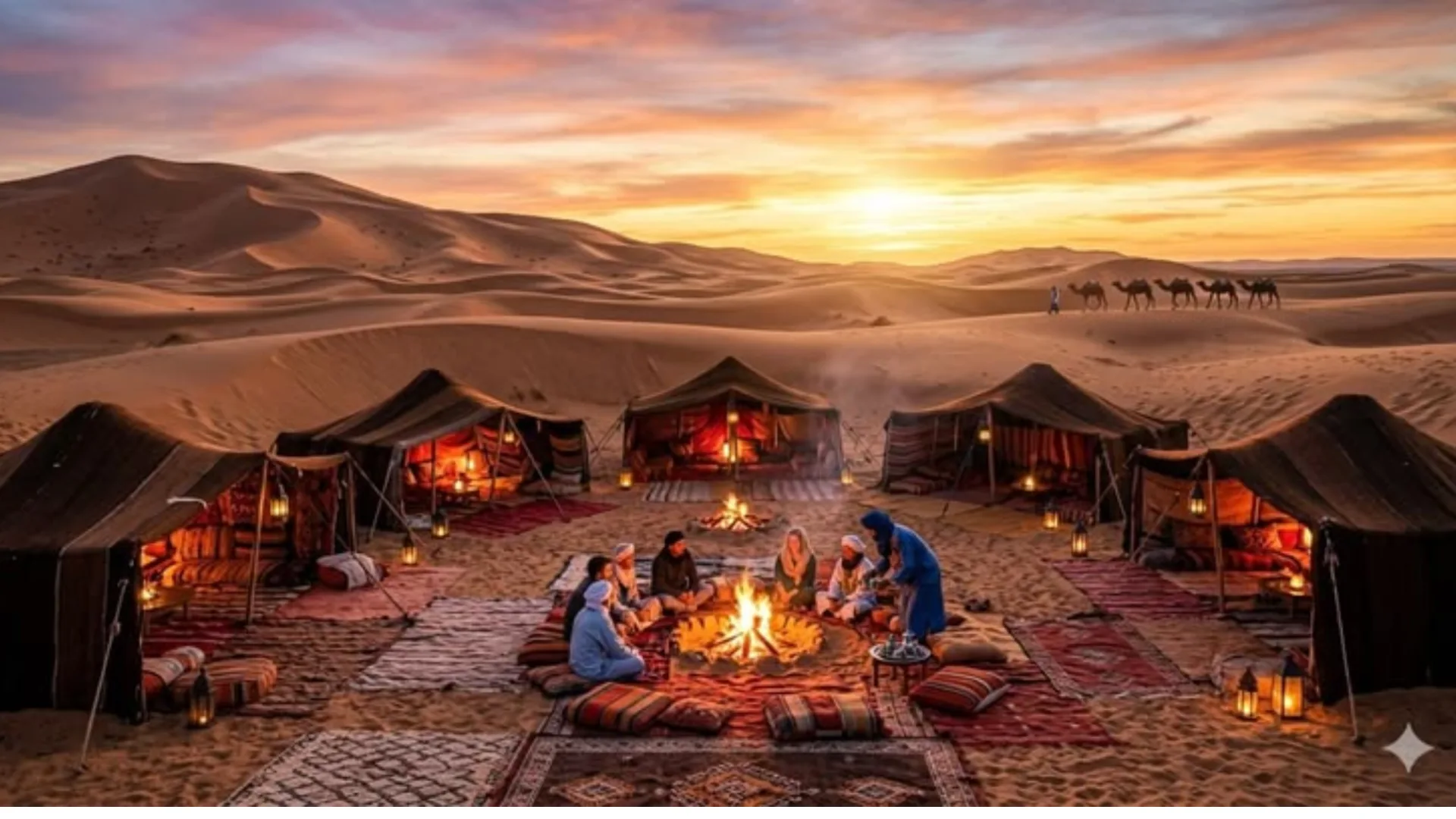
Our multi-day routes from Marrakech include a 2-day loop to Zagora, a 3-day route to Merzouga, a 4-day journey to Fes via Merzouga, a 5-day Atlantic Coast tour, a 7-day Sahara tour, and a 9-day Grand Morocco tour. The Merzouga-based routes include a night at a desert camp, ranging from simple Berber tents to the luxury camp pictured above, with a camel trek into the dunes timed around sunset and sunrise.
Ready for the Dunes?
Our 3-Day Marrakech to Merzouga tour is the most popular way to see the Sahara without rushing it.
See Merzouga Tour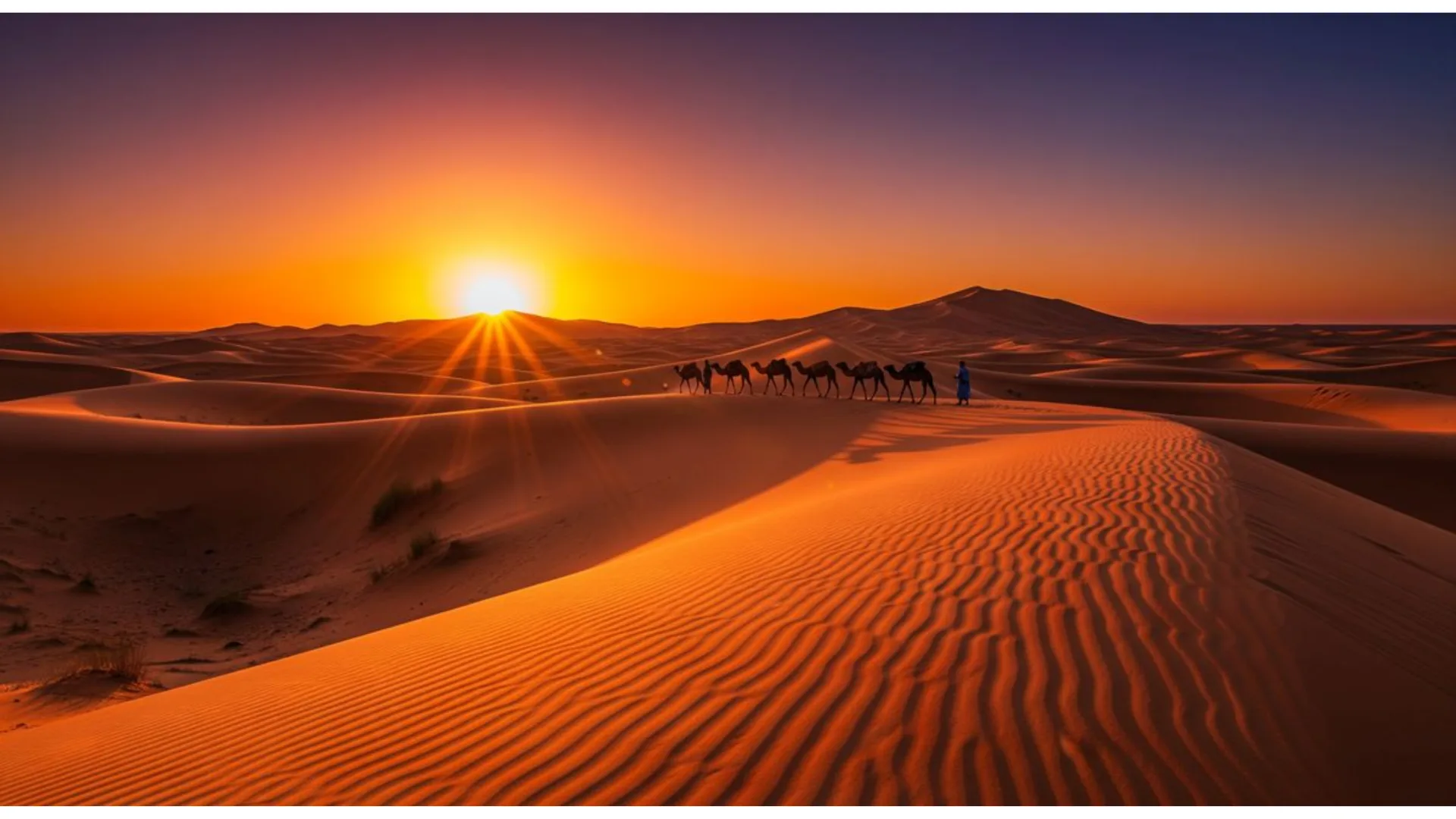
Adventure Beyond Marrakech
Mountains, waterfalls, coastline, and desert all sit within a day’s reach of Marrakech. Here’s how our guests usually split their extra days.
Explore Day TripsChoose Your Escape
Each of these runs as a private one-day excursion directly from Marrakech, or combine two into a longer multi-day route.
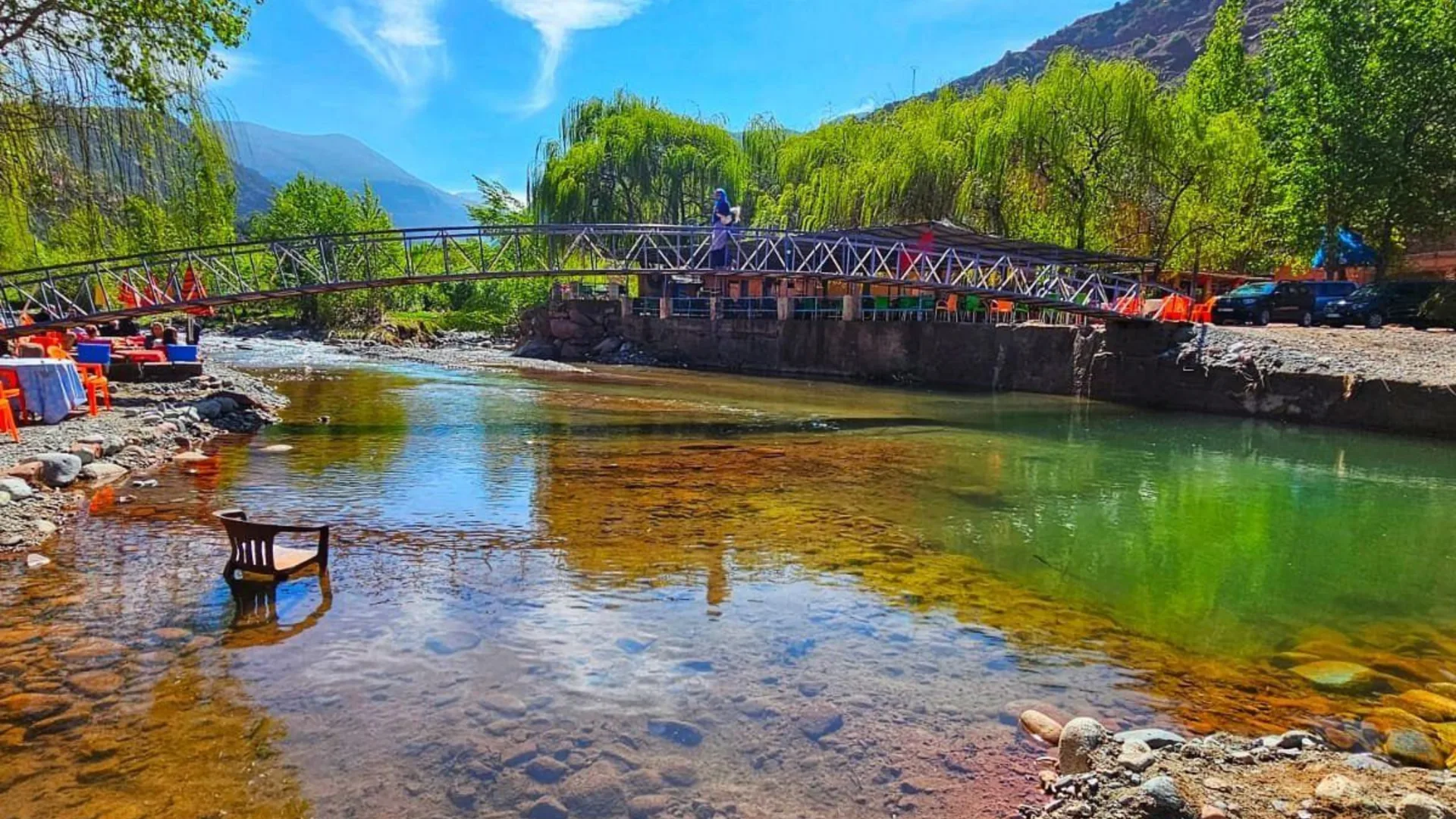
Ourika Valley
Berber villages, terraced farmland, and mountain scenery in the High Atlas foothills.
See Ourika Tour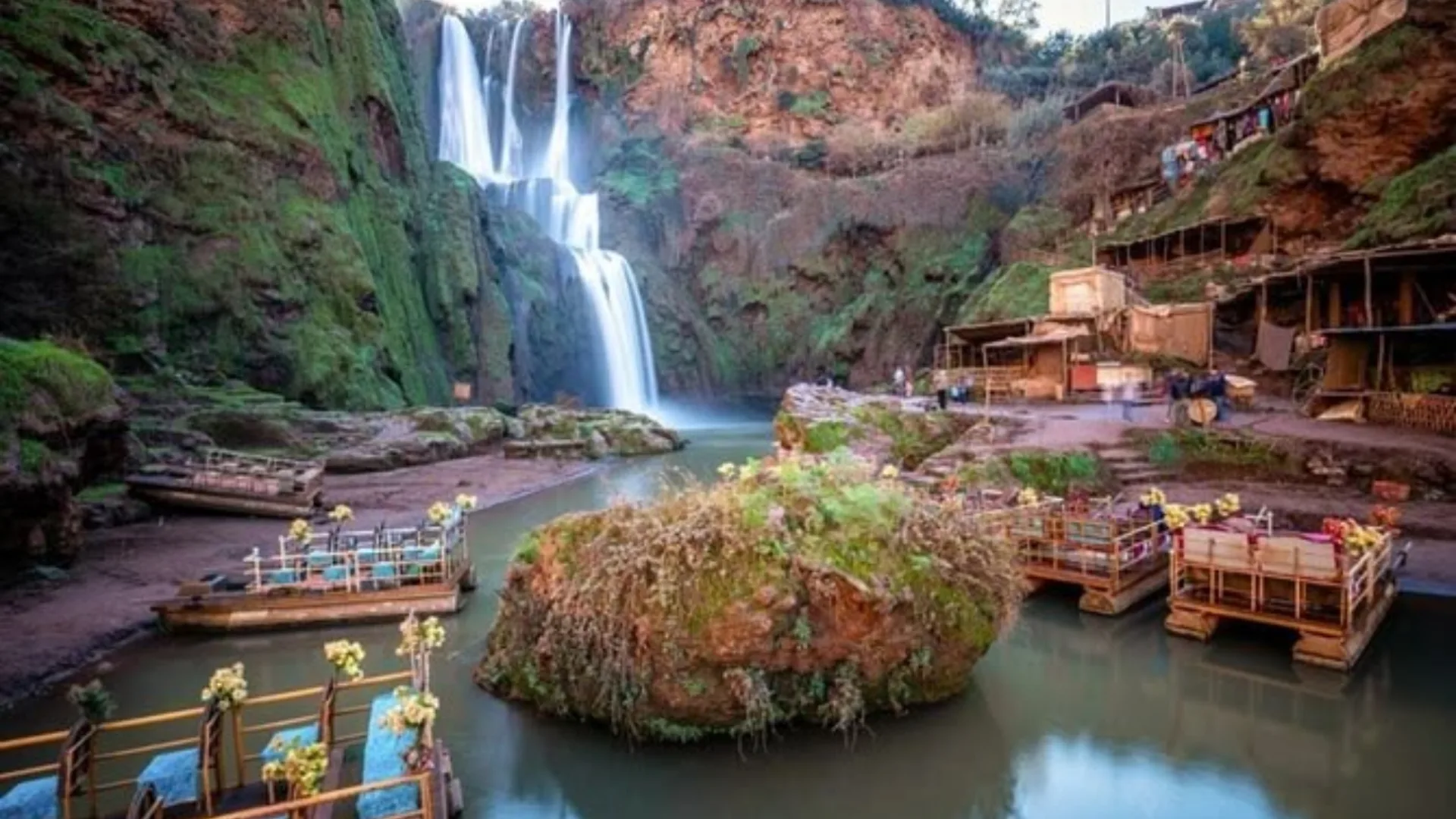
Ouzoud Waterfalls
Morocco’s tallest waterfalls, with boat rides to the base and wild Barbary macaques on the trails.
See Ouzoud TourSahara Desert
The classic Erg Chebbi dunes near Merzouga, with an overnight desert camp and camel trek.
See Merzouga Tour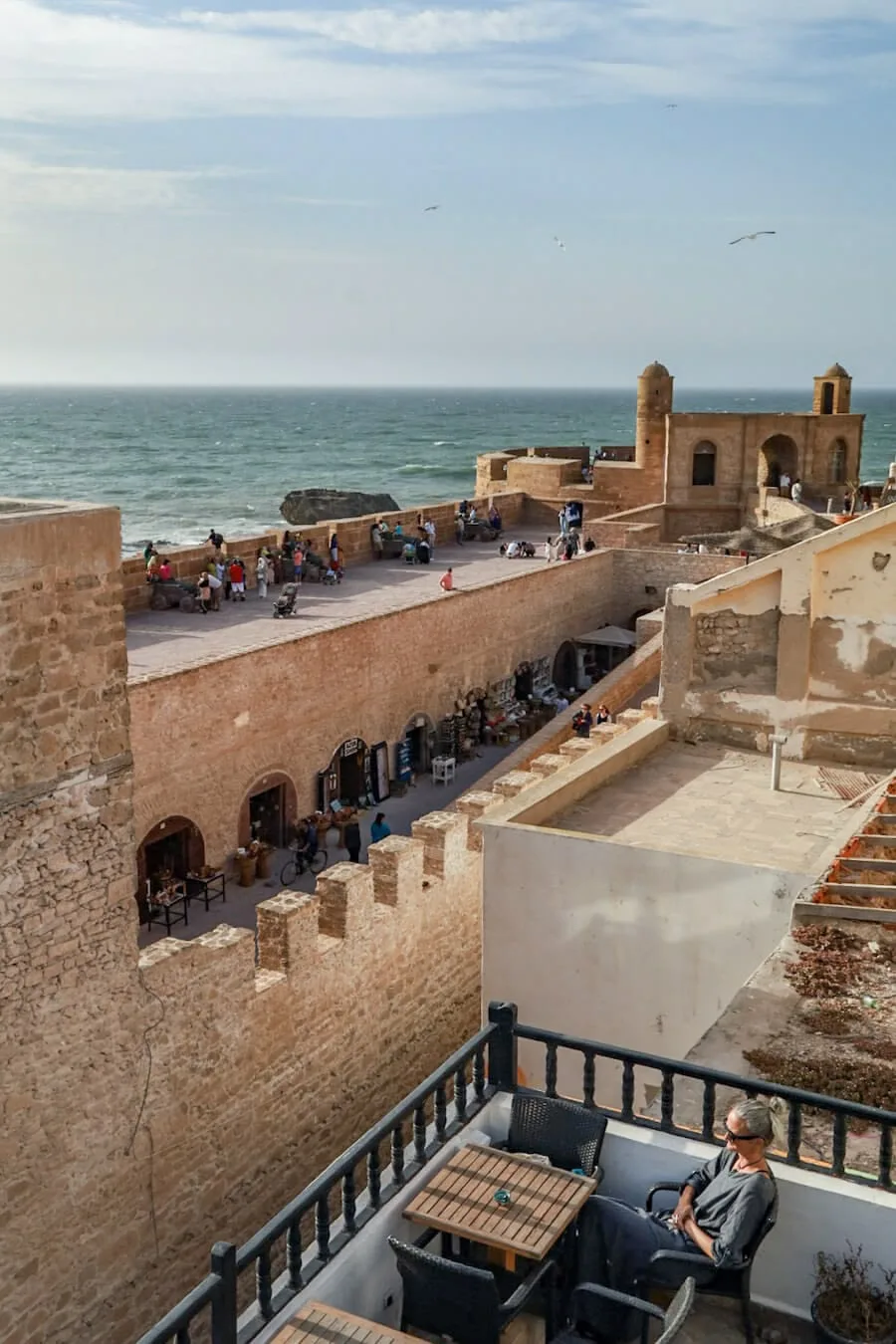
Essaouira
An Atlantic coastal city with fresh seafood and sea air, a contrast to the inland medina heat.
See Essaouira Tour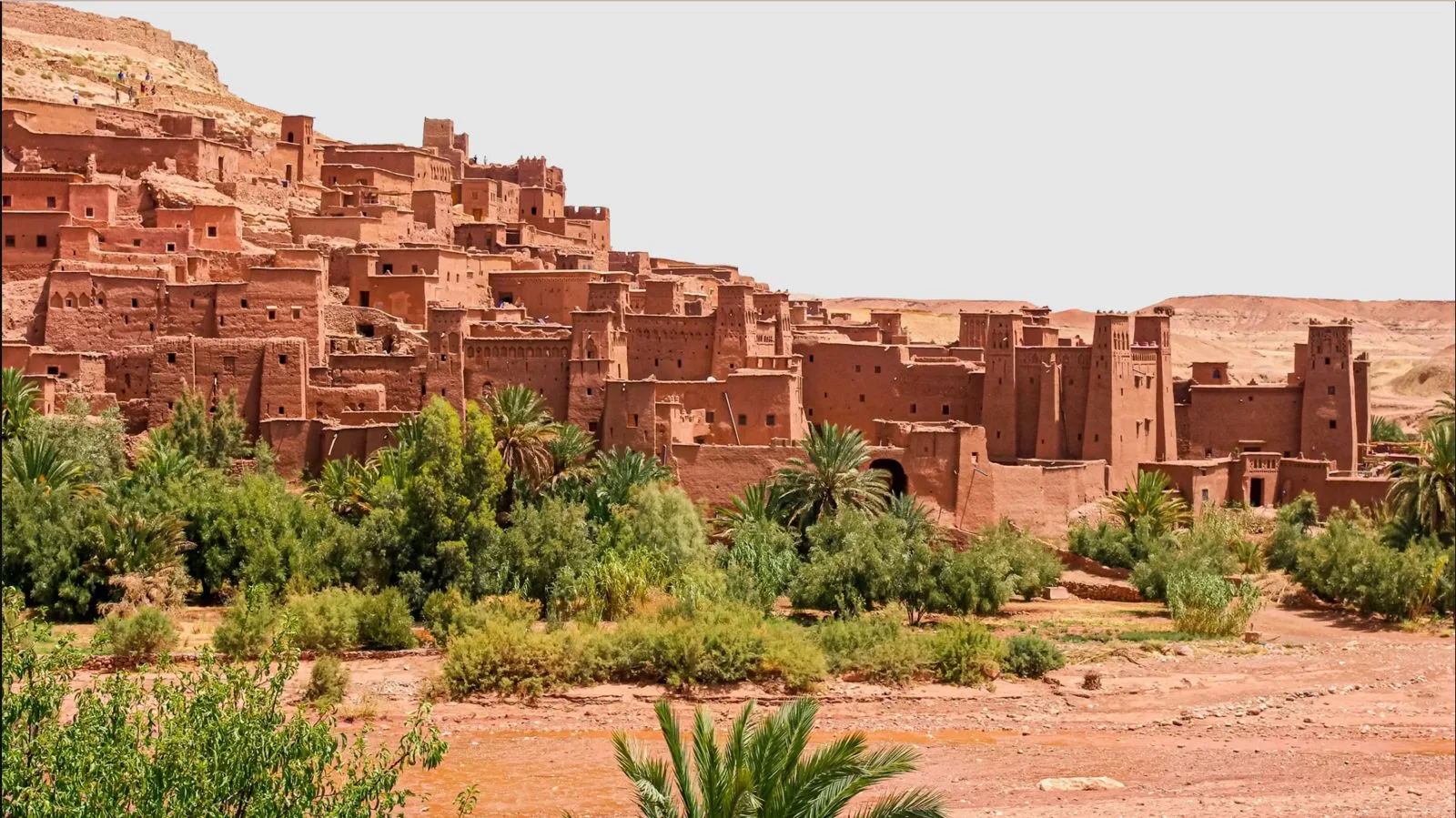
Ait Ben Haddou
A UNESCO-listed kasbah over the Tizi n’Tichka pass, combined with the film studios at Ouarzazate.
See Ait Ben Haddou TourAttraction Comparison
A fast way to prioritize if your time is limited.
| Attraction | Duration | Best Time | Crowd Level |
|---|---|---|---|
| Koutoubia Mosque | 20–30 minutes | Early evening | Low to medium |
| Jemaa el-Fna (evening) | 1–2 hours | Just after sunset | High |
| Bahia Palace | 45 min–1 hour | At opening (9am) | Medium, high by midday |
| Ben Youssef Medersa | 30–40 minutes | Mid-morning | Low to medium |
| Majorelle Garden | 45 min–1 hour | Right at opening | Very high by midday |
| Le Jardin Secret | 30–45 minutes | Midday | Low |
| Marrakech Souks | 1–2 hours minimum | Mid-morning | High |
Plan Your Journey
The essentials, at a glance.
FAQs
What is Marrakech best known for?
Marrakech is best known for Jemaa el-Fna square, its historic souks, and landmarks like Bahia Palace and Majorelle Garden, all set within a walled medina dating to the 11th century.
How many days do you need in Marrakech?
Three full days covers the medina’s major sights and at least one garden properly; four days allows time for a day trip into the Atlas Mountains or the Agafay desert.
Is Marrakech safe for tourists?
Yes, Marrakech is generally safe for tourists, including solo travelers and families, though standard precautions against pickpocketing apply in crowded areas like Jemaa el-Fna at night.
Is Marrakech or Fes better to visit?
Neither is strictly better; Marrakech suits travelers who want energy, easier navigation, and a shorter first-time adjustment, while Fes suits those prioritizing craftsmanship, deeper history, and a less tourism-shaped medina.
Do I need a guide in Marrakech?
A guide isn’t required for the main sights, but one is useful for the souks specifically, where getting oriented takes longer without local knowledge.
What should I wear in Marrakech?
Modest clothing covering shoulders and knees, along with comfortable closed-toe shoes suited to uneven medina paving.
What is the best time of year to visit Marrakech?
Spring (March–May) and autumn (September–November) offer the most comfortable temperatures; summer can exceed 40°C (104°F).
Is Jemaa el-Fna worth visiting during the day?
It’s quieter and more market-like during the day; the food stalls and performers only appear from late afternoon onward, so an evening visit is essential too.
Can you do a day trip to the Sahara from Marrakech?
No, the Sahara’s classic dunes near Merzouga require a minimum two-day round trip; for a single-day desert experience, the Agafay desert near the city offers camel treks without the drive.
How do you get from Marrakech to Fes?
By train via Morocco’s ONCF network (roughly 7–8 hours direct), by CTM bus, or by private driver via Merzouga and the Sahara.
What currency is used in Marrakech?
The Moroccan Dirham (MAD); it’s a closed currency, so plan to exchange or withdraw after arrival.
Is Marrakech wheelchair accessible?
The medina’s uneven paving makes it genuinely difficult for wheelchair users; Gueliz and the newer parts of the city are considerably easier to navigate.