7 Best Cities to Visit in Morocco
A practical, city-by-city breakdown to help you plan your Morocco itinerary with confidence.
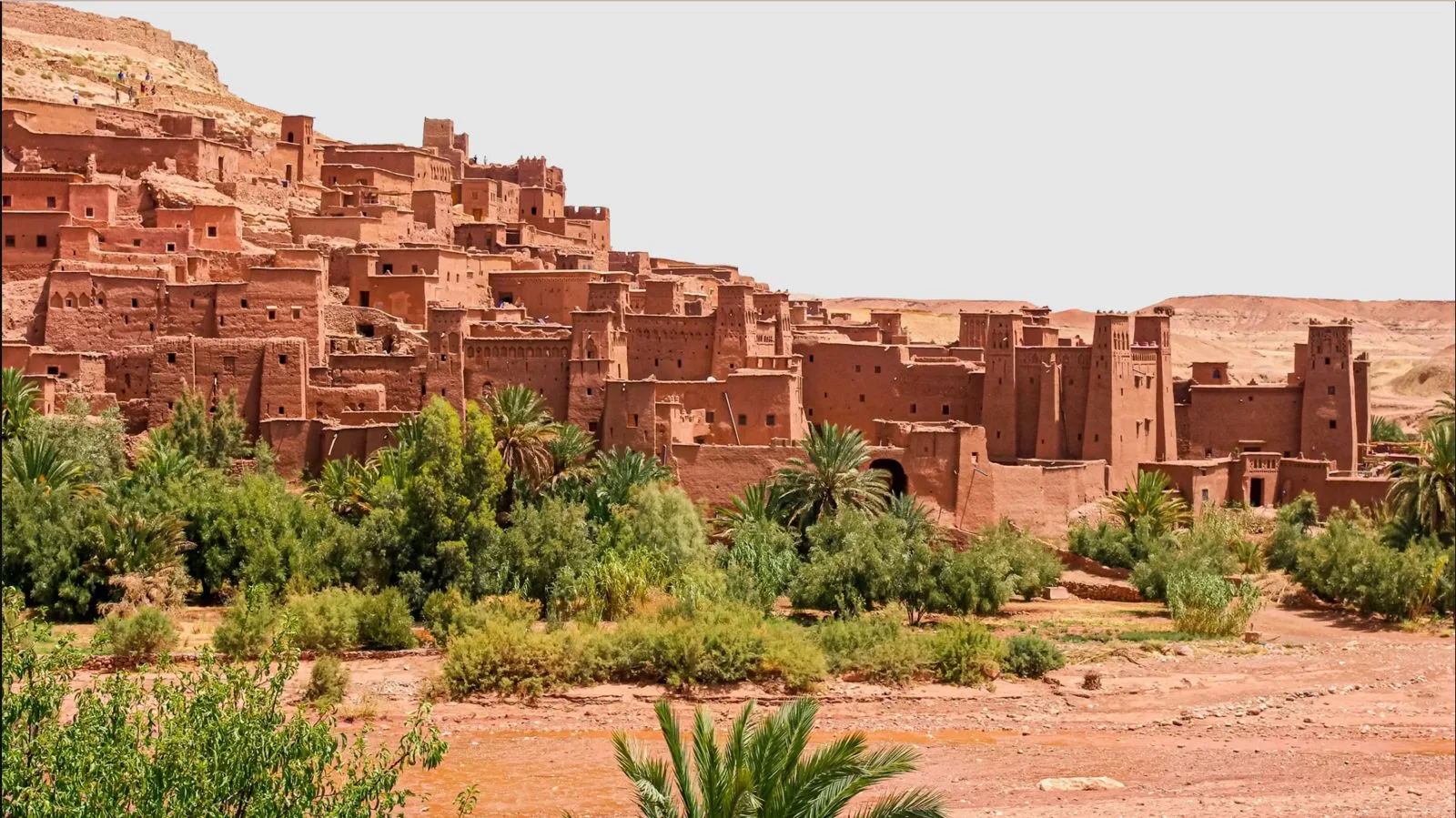
The best cities to visit in Morocco each offer something genuinely different, which is exactly what makes this country one of the most rewarding places to explore in North Africa. From the maze-like souks of Marrakech to the windswept cliffs of Tangier, every city carries its own rhythm, architecture, and history.
Morocco tourism has grown steadily over the past decade, and it is easy to see why. Visitors come for the affordable Morocco vacation options, the rich culture, and the sheer variety packed into a single country. In under a week, you can walk through a centuries-old medina, stand on a coastline where two seas meet, watch the sun set behind a mosque built on reclaimed ocean land, and still have time left over for the mountains.
This Morocco travel guide breaks down seven essential places to visit in Morocco: Marrakech, Fez, Chefchaouen, Meknes, Casablanca, Tangier, and Essaouira. Whether you are building your first Morocco itinerary or looking for Morocco travel destinations beyond the usual routes, these seven cities give you a genuinely complete picture of what the country has to offer.
| City | Best For | Recommended Duration | Best Time to Visit |
|---|---|---|---|
| Marrakech | First-time visitors, souks, nightlife | 3–4 days | Mar–May, Sep–Nov |
| Fez | History, craftsmanship, the medina | 2–3 days | Mar–May, Sep–Nov |
| Chefchaouen | Photography, slow travel, mountain air | 1–2 days | Apr–Jun, Sep–Oct |
| Meknes | Imperial history without the crowds | 1 day | Mar–May, Sep–Nov |
| Casablanca | Modern Morocco, short stopovers | 1–2 days | Year-round |
| Tangier | Coastal contrast, Spain day trips | 1–2 days | Apr–Jun, Sep–Oct |
| Essaouira | Beach, seafood, a slower coastal pace | 2 days | Apr–Oct |
Marrakech
Overview
Marrakech is Morocco’s most visited city, and for most travelers it is the natural starting point. Sitting at the foot of the High Atlas Mountains, the city blends centuries-old architecture with a fast-paced, modern energy that catches most first-time visitors off guard.
Why Visit
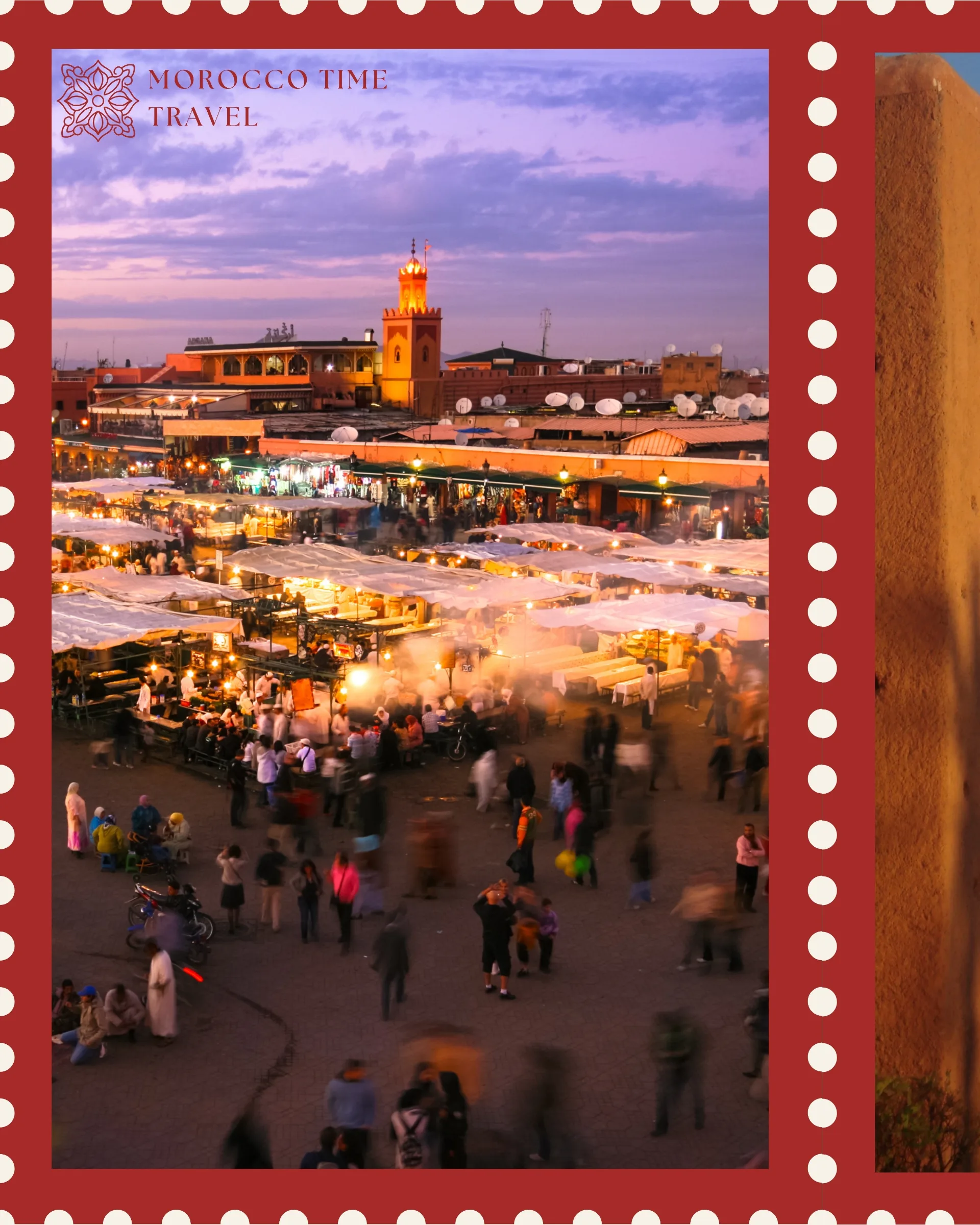
Marrakech rewards travelers who want maximum cultural density in a short amount of time. No Marrakech travel guide would be complete without mentioning Jemaa el-Fnaa, the city’s famous main square, where storytellers, musicians, and food stalls take over every evening.
Top Attractions
- Jemaa el-Fnaa square, especially at sunset
- Bahia Palace, with its detailed tilework and gardens
- Majorelle Garden, a peaceful botanical escape
- The medina souks, still organized by centuries-old craft guilds
Best Time to Visit
Spring (March to May) and autumn (September to November) offer the most comfortable temperatures. Summer can be intensely hot, often climbing past 100°F (38°C), so plan accordingly if you are visiting between June and August.
Local Food
- Tagine, slow-cooked in a traditional clay pot
- Fresh orange juice from the square’s juice stalls
- Msemen, a flaky layered flatbread
- Mint tea, poured from a height as a mark of hospitality
Travel Tips
- Book a riad inside the medina for the most authentic stay
- Agree on taxi fares before you get in, since meters are not standard
- Expect to haggle in the souks; it is part of the culture, not a trick
Marrakech is easy to fall for, and most travelers end up wishing they had budgeted an extra day.
Tangier
Overview
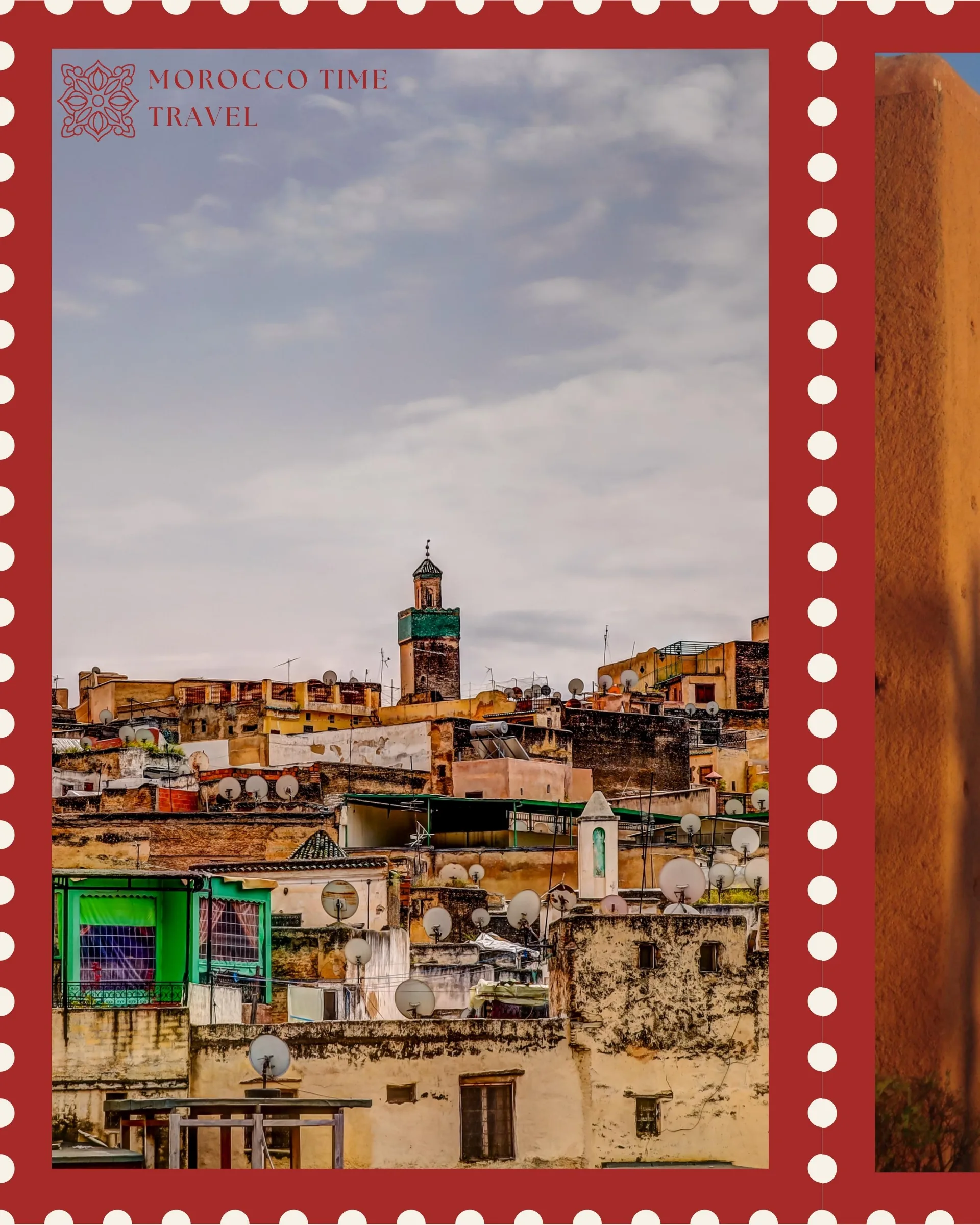
Tangier sits at the Strait of Gibraltar, where the Atlantic Ocean meets the Mediterranean Sea. On a clear day, you can actually see Spain from the coastline, just 14 kilometers away.
Why Visit
Any honest Tangier travel guide has to point out that this city is often skipped, and that is a mistake. Tangier has a genuinely different personality from anywhere else in Morocco, shaped by decades as an international, multicultural port city in the early twentieth century.
Top Attractions
- Cap Spartel, where two seas visibly meet
- The Kasbah Museum, inside a former sultan’s palace
- Hercules Caves, a dramatic coastal rock formation
- The American Legation, one of the oldest U.S. diplomatic properties abroad
Best Time to Visit
Tangier’s coastal location keeps temperatures milder than inland cities year-round. Spring and early autumn are ideal, though even summer here stays comfortable compared to Marrakech or Fez.
Local Food
- Fresh grilled seafood from the port
- Bissara, a warming fava bean soup
- Moroccan pastries paired with mint tea
- Calamari fritters sold along the seafront
Travel Tips
- Ferries connect Tangier to Spain in under an hour, useful if you are combining trips
- The new town and the old medina feel like two different cities; budget time for both
- Sunset at Cap Spartel is worth planning your day around
Tangier is a solid entry point if you are arriving from Europe, and a rewarding stop even if you are not.
Essaouira
Overview
Essaouira sits on the Atlantic coast, about two and a half hours from Marrakech, inside a fortified 18th-century medina that has stayed noticeably smaller and quieter than Morocco’s larger cities. The wind that made it a working port for centuries is the same wind that now draws surfers and windsurfers.
Why Visit
Essaouira offers something none of the other cities on this list do: a genuine break from inland heat. The Atlantic keeps temperatures mild year-round, and the medina’s white-and-blue fishing-village character is closer to a Portuguese coastal town than to Marrakech, just a few hours away.
Top Attractions
- The Skala de la Ville, ramparts lined with old cannons facing the sea
- The fishing port, active with boats and gulls most mornings
- The medina souks, calmer and less commission-driven than Marrakech’s
- Long sandy beaches just outside the city walls
Best Time to Visit
Spring through autumn works well, since the coastal climate rarely gets uncomfortably hot. Wind is a near-constant here; it is part of the appeal for watersports but worth expecting if you are hoping for a still, calm beach day.
Local Food
- Grilled sardines and fresh fish, sold directly at the port stalls
- Seafood tagine, the coastal version of Morocco’s signature dish
- Argan oil products, produced in the region surrounding the city
- Fresh bread from small medina bakeries
Travel Tips
- Bring a light jacket even in summer; the sea wind cools evenings quickly
- The port itself is free to walk and worth visiting even outside mealtimes
- Essaouira works well as a 2-day add-on to a Marrakech-based trip rather than a standalone stop
Essaouira is the city on this list most worth adding if you want contrast, not just more of the same medina rhythm.
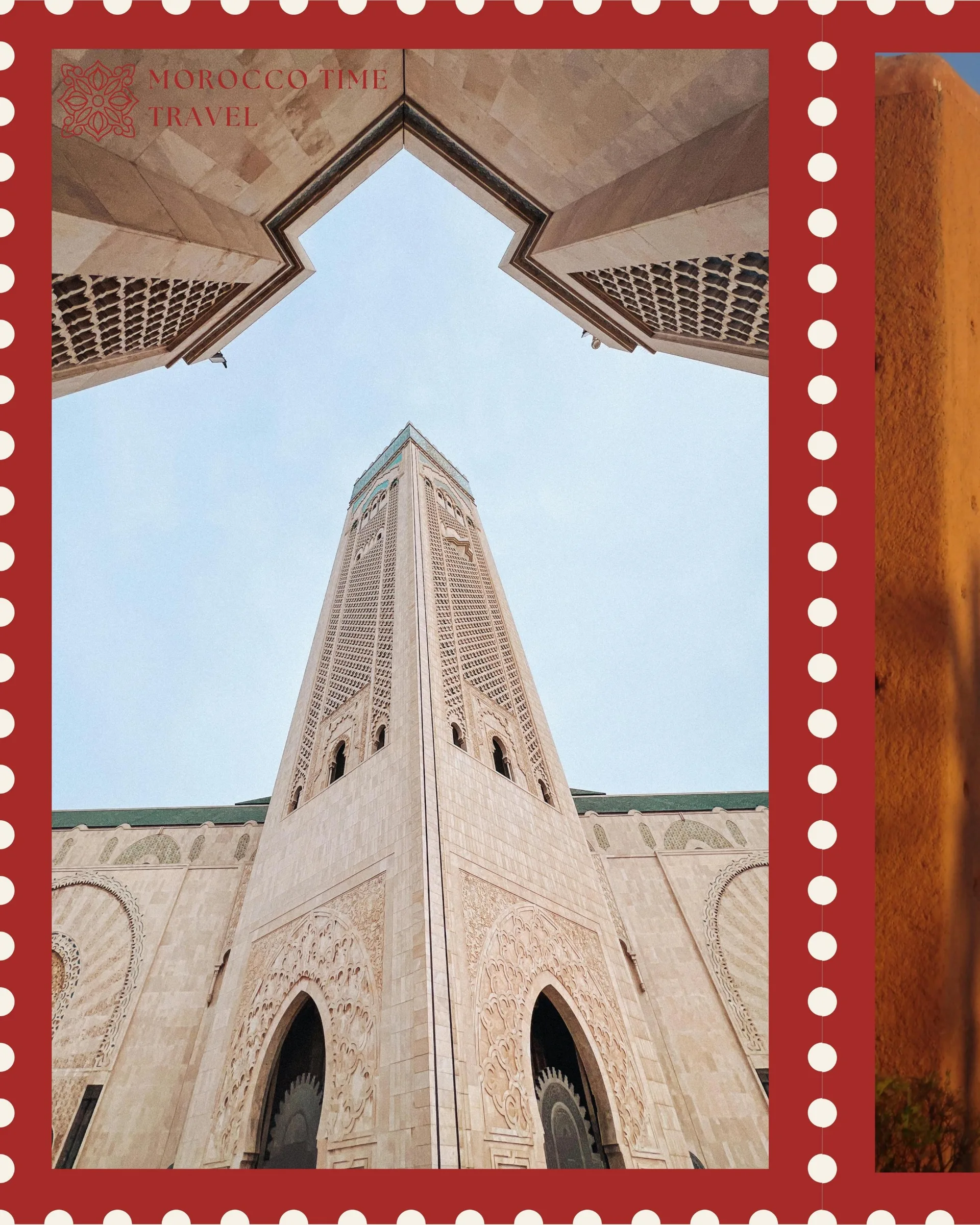
Casablanca
Overview
Casablanca is Morocco’s largest city and its economic capital, not the political one, a detail that surprises a lot of first-time visitors. Most travelers land here first simply because it is the country’s main international gateway.
Why Visit
Where Marrakech and Fez lean historic, Casablanca is Morocco’s modern face. This Casablanca travel guide points straight to the Hassan II Mosque as the city’s clear centerpiece, home to one of the tallest minarets in the world.
If you’re arriving via Casablanca and want to turn that gateway into a full route, see our private Morocco tours from Casablanca, covering Rabat, Fes, the Sahara, and Marrakech.
Top Attractions
- Hassan II Mosque, partly built over the Atlantic Ocean
- The Corniche, a beachfront promenade lined with cafes
- The Old Medina, smaller and calmer than Marrakech’s
- Art Deco architecture throughout the downtown core
Best Time to Visit
Casablanca’s coastal climate keeps things mild most of the year. Spring and fall bring the most pleasant weather for walking the Corniche or exploring downtown on foot.
Local Food
- Seafood tagine, a coastal twist on the classic dish
- Sardines, grilled fresh from the port
- Harira soup, especially popular during Ramadan
- French-influenced pastries, a legacy of the protectorate era
Travel Tips
- The Hassan II Mosque offers guided tours for non-Muslim visitors, a rarity in Morocco
- Casablanca works well as a one- or two-day stop before heading elsewhere
- Public transport is more developed here than in most Moroccan cities
Casablanca is not the most charming stop on this list, but it is an honest, useful introduction to how modern Morocco actually lives and works.
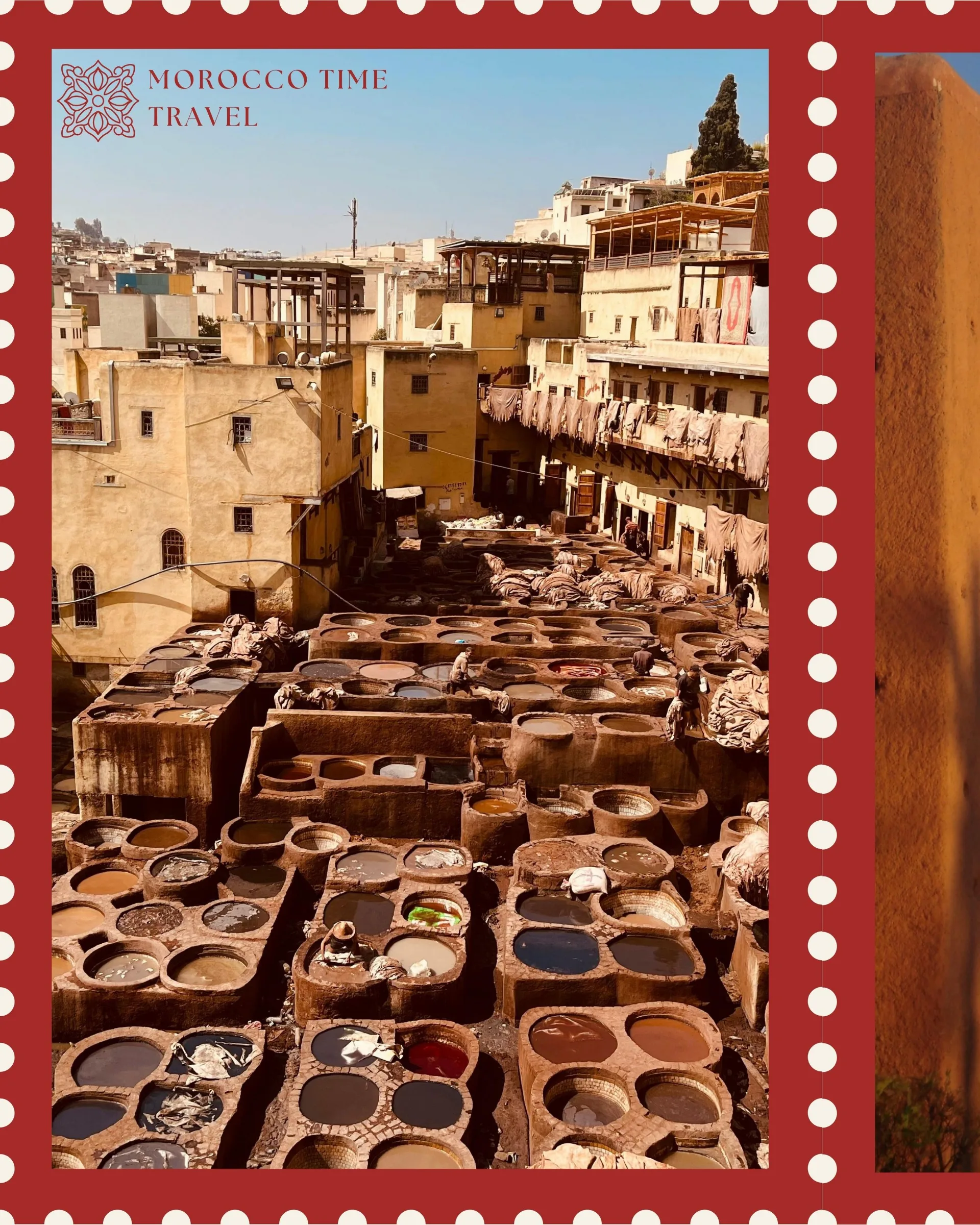
Fez
Overview
Fez is considered Morocco’s cultural and spiritual capital, and it is home to Fes el-Bali, the largest car-free urban area in the world. Walking into the medina here feels genuinely different from Marrakech’s. If you’re heading south afterwards, our Fes to Marrakech desert tour turns the journey into a private trip through the Sahara.
Why Visit
Any honest Fez travel guide has to lead with the Chouara Tannery, one of the oldest working tanneries on earth. Fez rewards travelers who want to see Moroccan craftsmanship actually being made, not just sold.
Top Attractions
- Chouara Tannery, best viewed from the surrounding leather shop terraces
- Al Qarawiyyin, recognized as the oldest continuously operating university in the world
- Bou Inania Madrasa, known for its detailed zellige tilework
- The endless alleyways of Fes el-Bali itself
Best Time to Visit
Spring and autumn bring the most comfortable weather for wandering Fez’s dense medina on foot. Summers can get hot, and the tight alleyways offer little shade or breeze.
Local Food
- Pastilla, a sweet-and-savory pastry filled with pigeon or chicken
- Fez-style tagine with preserved lemon
- Khobz, fresh flatbread sold throughout the medina
- Sfenj, Morocco’s answer to the doughnut
Travel Tips
- Ask for a sprig of mint at the tannery; it helps with the smell
- Hire a local guide for at least your first day; the medina has over 9,000 alleyways
- Cargo still moves by donkey here, so stay alert in narrow passages
Fez takes more effort to navigate than Marrakech, but that is exactly why it feels less shaped around tourism and more like the real thing.
Chefchaouen
Overview
Chefchaouen sits in the Rif Mountains, roughly ninety minutes south of Tangier, and is known for the blue-washed walls that cover nearly the entire old town. Unlike Morocco’s imperial cities, it was never a seat of power; it grew as a mountain refuge, which is part of why it still feels smaller and slower than anywhere else on this list.
Why Visit
The blue is not a marketing gimmick. Different explanations exist for why the tradition started, from Jewish refugees in the 1930s to insect-repelling limewash, and no one account is fully agreed on, but the effect is consistent: every alley photographs differently depending on the hour and the light.
Top Attractions
- The blue medina itself, best explored on foot without a fixed route
- Plaza Uta el-Hammam, the main square at the medina’s center
- The Kasbah Museum, a small fortress with garden courtyards
- Ras el-Ma, a spring-fed river just outside the medina walls
Best Time to Visit
Spring and early autumn bring mild mountain temperatures ideal for walking. Summer stays cooler here than in Marrakech or Fez, since the elevation offsets the heat, while winter nights can get genuinely cold.
Local Food
- Goat cheese, produced locally in the surrounding hills
- Bissara, a fava bean soup common throughout northern Morocco
- Fresh trout, sourced from nearby mountain streams
- Mint tea, taken slowly on a rooftop rather than rushed
Travel Tips
- The medina is small; a day is enough to see it, though most visitors wish they had stayed two
- Photography here draws more attention than elsewhere in Morocco; ask before photographing people directly
- Most visitors arrive by shared or private transfer from Tangier or Fez, since there is no airport
Chefchaouen rewards travelers who slow down, and it is the one city on this list where doing nothing in particular is often the whole point.
Meknes
Overview
Meknes is one of Morocco’s four imperial cities, about an hour from Fez, and it is often overlooked precisely because its more famous neighbor sits so close by. That works in its favor: fewer crowds, a genuine medina, and a monumental gate that rivals anything in Marrakech or Fez.
Why Visit
Meknes was built to impress. Sultan Moulay Ismail expanded the city into an imperial capital in the 17th century, and its scale, especially Bab Mansour, still shows it. This is a city for travelers who want imperial-city history without the tour-bus density of Fez.
Top Attractions
- Bab Mansour, widely considered the most impressive gate in North Africa
- The Royal Stables and granaries, built to hold thousands of horses
- The Mausoleum of Moulay Ismail, one of the few sites non-Muslims can enter
- Place el-Hedim, the main square facing Bab Mansour
Best Time to Visit
Spring and autumn bring the same comfortable range as Fez, given the short distance between them. Meknes is easy to combine with a Fez trip rather than visit as a standalone destination.
Local Food
- Olives, a genuine local specialty given the surrounding farmland
- Meknes-style brochettes, grilled meat skewers sold throughout the medina
- Local wine, from vineyards in the surrounding region, a rarity in Morocco
- Fresh bread from small medina bakeries
Travel Tips
- Combine Meknes with the Roman ruins at Volubilis, a short drive away
- The medina is smaller and calmer than Fez’s, a good rest day if you are touring both
- Most visitors see Meknes as a day trip from Fez rather than an overnight stop
Meknes is the imperial city most visitors skip, and the one that regularly surprises the travelers who do not.
Ready to Explore Morocco?
These four cities only scratch the surface of what is possible. Whether you are drawn to Marrakech’s energy, Tangier’s coastline, Casablanca’s modern pulse, or Fez’s living history, the best cities to visit in Morocco each deserve their own place on your itinerary, and each one rewards a different kind of traveler.
If you are ready to turn this Morocco travel guide into an actual trip, we can help. Our team builds private, tailored itineraries around exactly the cities and experiences that matter to you, whether that is a short Morocco vacation or a full multi-city journey to visit Morocco properly.
Start Planning Your Morocco Trip